
Season 04 – Episode 109: Unpacking the Invisible Burdens Paramedics & Firefighters Carry, with Rachael Staebell & Brandon Evans
By The Gifts of Trauma /
Listen this episode here:
Soon…or here
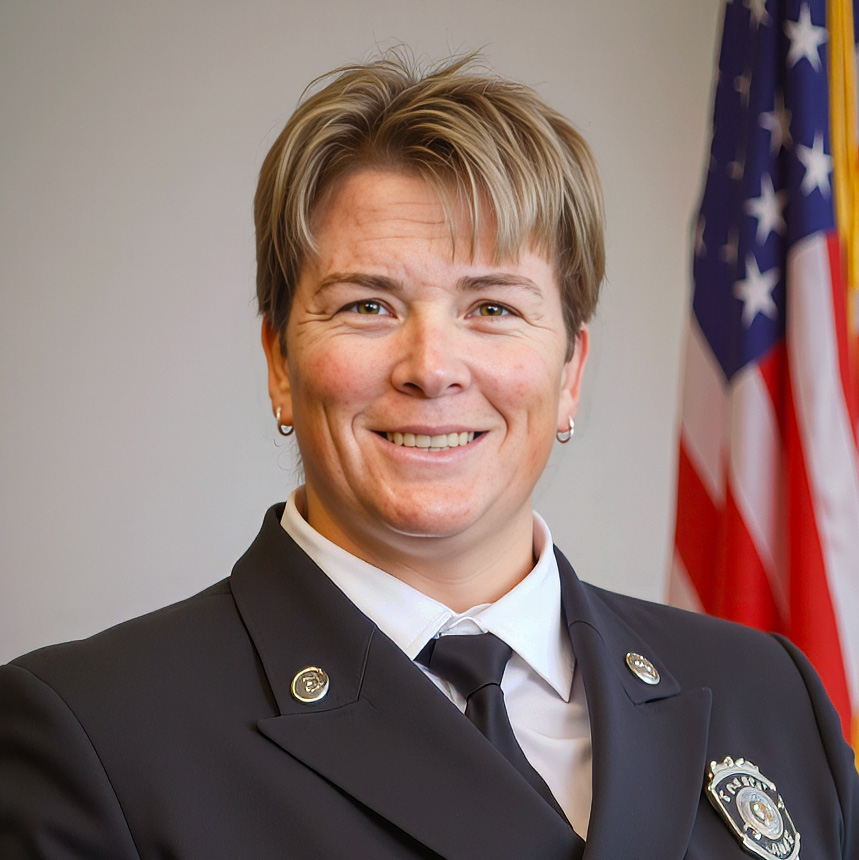
Rachael Staebell spent two decades being the first person on the scene on the worst day of people’s lives, but no one ever trained her for the part of the job that came after the sirens stopped. In this episode, Rachael, retired fire service paramedic and president of Women in Fire, joins returning guest Brandon Evans to talk about what it actually means to carry the not-knowing, the grief, and the weight of the ones who didn’t make it.
In this episode, Rachael and Brandon explain:
- – What it’s like to be the one who tells a stranger their loved one is dead
- – A reframe of the First Responders’ suicide epidemic as a need to “make it all stop”
- – What mountain biking, waterskiing and pulling weeds have to do with surviving the job
- – What they want from the public, instead of being thanked for their service
This conversation doesn’t flinch in taking on hard subjects. Our guests are two people who’ve done this work, honestly sharing what the job takes, what it can cost, and what can help. If you’ve ever wondered what it’s like to be a first responder, this episode will change how you see the people who show up when they’re needed, save the lives that they can, and leave with burdens that need to be carefully unpacked.
Episode transcript
00:00:00 Rosemary
If you’ve been listening to our podcast and are curious about the transformative power of Compassionate Inquiry, you are invited to join us for a six hour online experiential introduction to the Compassionate Inquiry approach and community. Whether you’re a healthcare professional, therapist, coach, or simply someone seeking trauma, informed personal healing or professional growth, the CI Experience Event invites you to witness live demonstrations, learn practical techniques, participate in reflective conversations and connect with a supportive community of like minded individuals, all in a single immersive day. This event will be recorded and as a participant you’ll have lifetime access to the event recording and so much more. To learn more and register, just follow the link in the show notes.
00:00:57 Rachael
Nobody tells you when you get in there that you’re going to be the first person in the middle of these just raw, ridiculous, mind blowing crises, right? And I told my therapist one time I go, I’m tired of telling people that their loved one’s dead. I’m tired of it. No one trained me to do it. No one taught me how to do it. I had no, no formal anything. It is so much more detrimental to our firefighters if we don’t have competent trauma therapists.
00:01:21 Brandon
How are we dealing with death? We are not taught at all, ever. Like zero. We have zero training on death. Absolutely zero training. We only have experience, and you’re just thrown in, and it’s just like boom. And there’s no time to be like even, what do we do? Because it’s like the next call. Especially in this day and age with the fentanyl crisis, we have crews that are responding to not two or three, sometimes a dozen fentanyl calls a day, in a 24 hour shift, depending on which area of specific cities you’re in. That is an excessively large number of deaths that you’re dealing with and experiencing on a very routine and regular basis.
00:02:00 Rachael
I think the best thing that I see going on in the fire service right now is recognizing the group of upcoming mentors and what the psychology world on the side of the world is doing to make sure you all can catch us when we fall. That is the biggest thing that will help us evolve as a fire service.
00:02:22 Rosemary
This is the Gifts of Trauma Podcast. Stories of transformation and healing through Compassionate Inquiry. Welcome to the Gifts of Trauma podcast by Compassionate Inquiry. I’m Rosemary Davies-Janes and I’m here today with our producer, my co host, J’aime Rothbard and together we’d like to welcome Rachael Staebell, a retired fire service paramedic and the current president of Women in Fire. Rachael, welcome. It’s so Good to have you here.
00:03:02 Rachael
Thank you.
00:03:03 Rosemary
Also joining us today is Brandon Evans, who’s been with us throughout this series. Welcome back, Brandon.
00:03:08 Brandon
Thank you. Nice to be back.
00:03:10 Rosemary
Rachael, you’ve spent more than two decades in the fire service. You were the first paid full time female firefighter in the city of Fountain, Colorado. And you advanced through the ranks at Colorado Springs Fire Department. You served as a lieutenant, a paramedic, and a mentor to firefighters across the country before retiring and dedicating your efforts to Women in Fire. And you became president of Women in Fire just this past January. You also sit on the board of Fire to Light as secretary. What else would you like to share about yourself with our audience that perhaps isn’t part of any scripted bio?
00:03:51 Rachael
First of all, thanks for having me here today. As you can see by my background, I’m an avid mountain biker. I live on five acres in western Colorado with my wife and with my gaggle of dogs and animals. Very much a retreat for me these days with the busy schedule. But you’re right, I do as much of my time as I can to continue to further the fire service, especially with the women’s lens. Just trying to make the fire service an even better place than it already is.
00:04:20 Rosemary
Thank you. And I’m just going to introduce Brandon briefly for those who haven’t been on previous episodes. Brandon is also a retired firefighter and the founder of Fire to Light, an organization dedicated to advancing preventative mental fitness training in the fire service to help reduce rates of suicide and psychological injury through the same approach fire departments use when training every other critical firefighting skill. Brandon, would you like to say anything else before we move on? Perhaps something about yourself that isn’t in any of your bios.
00:04:54 Brandon
Thanks for having me back. This has been wonderful. As we’re coming to an end of this series. Just wrapping things up with Rachael here and then one more next week. I love water skiing. It’s a thing that happens like. Like there’s just moments within the year, especially in the northern hemisphere with the winters and such, is a little bit difficult. It’s one of those things for me that when the lake is clear and the skis are there and someone’s available to drive the boat that I dive into, for all the reasons, it can just take me into that space and I just get to experience that thing and that thing only while we’re doing it. So I think those things are, like, really important to have. Whether you’re feeding goats or whether you’re riding behind a boat, it’s like what are those things that just pull you into that moment? So, yeah, that’s a love for me, for sure.
Rosemary: Yeah.
00:05:32 J’aime
Can I say just one quick thing also that I know about Brandon and lakes and seasons is that when that lake freezes over, Brandon has been known to go out with some sort of ice axe and break through the ice and jump in it and do his own DIY ice baths, back in the day. I’d love people to know that about you.
00:05:56 Brandon
There’s been a lot of that happening. Yeah, Honestly, I’ll send you a picture after finding you gotta remind me later, but it’s like a seven foot long ice saw. It’s actually really fucking badass.
00:06:05 Rachael
Canadians fan?
00:06:07 J’aime
Yeah, we can’t do another show with Brandon without people knowing that about him. All right, let’s go.
00:06:12 Rosemary
All right, so where I’d like to go next? Obviously Compassionate Inquiry is producing this podcast and we have a practice when we go into any Compassionate Inquiry session, which is to set an intention. It acts as a focus for our time together with our client, and it’s something that we have brought into this podcast. So my intention for today is really just to hold space for Rachael and Brandon to unpack what it means to show up at someone’s worst moment, do everything possible and leave not knowing how it ends and how you process and integrate the weight of that and what can happen when you don’t. J’aime, do you have an intention you’d like to share?
00:06:55 J’aime
It’s not in classic Compassionate Inquiry form to say this, but my intention is to not cry during this conversation because I’ve been touched so very much by learning about what you do. Rachael, continuing to sink into what you do and what we’re all here for. Brandon, the tears might roll over here, I’m just saying, but I’m here to hold myself together, and also honor your experiences and your wisdom and your gifts to this world.
00:07:22 Rosemary
Beautiful. Thank you, J’aime.
00:07:24 Brandon
I think it’s just to help just get the message out, you know what I mean? Keep spreading the awareness of what Rachael is doing with Women in Fire. They’re an incredible organization doing incredible things, and I think everywhere in the world, politics, all of it, we need more women in the space. And so just helping to take that voice and allow her to speak it in its purest form. So that’s the intention, is to just allow that space for today.
00:07:46 Rosemary
Thanks, Brandon. Rachael, how would you like to communicate today?
00:07:49 Rachael
I’m happy, honestly, just to be here and in my side of the world and my side of my story is to be able to start speaking about what I went through and …the good, the bad, the ugly. And I think being with you all today is another way of just sharing that story a little bit and doing what I can to help other firefighters with what we’re doing, what we’re going through and what the other side looks like.
00:08:11 Rosemary
Wonderful. Thank you. Rachael, I’m really curious as the first paid full time female firefighter in Fountain, Colorado, I believe that was around the year 2000, so 25 years ago. Can you tell us about that experience? Because you must have been one of the very, very first few women in fire service in the U.S.
00:08:33 Rachael
i’d like. to think I’m not that old to be one of the first, but I’m grateful. I think back on my time with Fountain. Fountain is a combination department, which means some volunteer, some full time paid. And what’s odd in the US, Is across the United States, our numbers as female firefighters is higher, within in the volunteer service, than it is in the career side. Many different reasons. We won’t get into that here. I was working for the local ambulance company and knew I needed a little bit of experience under my belt and Fountain at the time had an open volunteer application and so I put in and I started as a volunteer. And I am so fortunate. In my time in the fire service, I very rarely, unless it was like time to be in the locker room when I was by myself, but I never really paid much attention to it. I very much approached it like a team and just enjoyed it. I enjoyed learning, I enjoyed being part of the fire service, running the calls. And then an opportunity came and they had an opening and I applied. And I don’t necessarily believe I was hired simply for my gender, but I know that made the chief at the time very proud and I know how proud I was to have that title. I don’t think we knew I was the first full time woman. I think it occurred to all of us weeks later and it was never a big deal, but it was very much, I was very proud of that and I carried that with me every day and grateful for my time on that department as it led me to my career with Colorado Springs.
00:09:48 Rosemary
Yeah. And you’ve said what kept you in the job wasn’t the sirens or headlines, it was the team. And you just referenced that, that firefighting felt like coming home to a new kind of team. And you have quite an extensive background in team sports. So can you tell us about that?
00:10:04 Rachael
Yeah, I grew up playing… My mom had to do something with me at a young age with all my energy. And so she shoved me into soccer, and it was just the perfect fit. I loved it. My entire career as a soccer player, I was a goalkeeper. I didn’t really play for fun, I’d play other positions, but that was always my jam. And I ended up being pretty good at it. And I loved it. I loved being part of the greater team, and I very much enjoyed… I liked everything about a team. I liked that on my worst days, I could hide behind those, having a great day. And on my best days, I could be that player that made a difference. So the fire service was no exception. And I very much enjoyed that codependency and that just team atmosphere on each other for the greater good. And really, when you strip all the, all this, all of it away, it’s the same exact foundational principle. And I think that was always my comfort zone.
00:10:50 Rosemary
Yeah. Thank you. It’s interesting. We spoke to Brett Key last week, and he shared that the teamwork that shows up in fire services is very different to the thin blue line teamwork. And I’m curious, within fire services, obviously, there’s firefighters and paramedics. Is there any distinction between the team, whether you’re on the medic side or the firefighting side?
00:11:16 Rachael
No, it depends on how each jurisdiction does it. But really, I liken it to. That’s what I loved about being a goalkeeper is I kind of ran the field from the back and not really that different from being a medic. Being a medic in my situation, as part of the crew, a lot like being a captain on a team, you’re not necessarily the head coach, but you’re there, you know, making sure the team’s okay and on the big stuff, you’re dialed into what’s actually going on. And then in my role as a lieutenant, I had the opportunity to really just lead and have, yes, the title, but really more so just that influence over everybody and to be able to really have the official role of keeping the team together and doing what I could to make sure my people were just awesome. Just doing great work.
00:11:54 Rosemary
As a paramedic, you arrive at what is very likely the worst moment in someone’s life. You do everything you can, and then you leave. And often you never know how their story ends. And I’m wondering what carrying that ‘not knowing’ actually can do to a person over decades.
00:12:16 Rachael
Sometimes we’re just so curious that we stay after it. Sometimes we are fortunate. Like, I had a grade to med division on Colorado Springs fire, and they did as much as they could feedback wise. But I think more than just the outcomes of how they did. If it was a terrible call, usually we knew pretty clearly how it was going to go, or what happened. It’s an interesting thing. It’s something I think the general public doesn’t walk around with, and maybe they do in their own context. But it’s odd. Things will cross my mind at the weirdest times and I’ll think it’s out of so many thousands and thousands of calls that I’ve been on. Sometimes it’s crazy to think my brain will remember a lot of those and yet I can’t remember where I put my keys. But things will come up sometimes. Good, bad, ugly. I’ll think, you know, I wonder what they’re doing. I wonder how that outcome is. Calls a long time ago that involved kids. I wonder, you know, are they adults now? Are they… What’s their life look like? What does their journey look like? Is that moment in time still a big moment for them? Is that a story they tell often? All the things across the spectrum of calls, good and bad, they cross my mind periodically, sometimes more than others. And it’s just that moment in time that I got to interweave with them on that. And what does that look like now?
00:13:21 Rosemary
Yeah, I’m curious. Is there a call or a person or a few people that you still think about?
00:13:29 Rachael
Oh, yeah, for sure. Yeah. Again, good, bad, ugly. There’s… a lot of them are the kiddos I think about and the ones that lived, what are they doing and what does that look like? How did that turn out? And some of them I get closure on. You know, one of my first terrible calls I ever had was with a kiddo and terrible family members. And it was an interesting call in the sense that the father killed his daughter. And I was maybe two weeks on the job. I had no idea, from just the ignorant public, as I lovingly call our citizens. And I didn’t know. And it was back when we worked everybody and we did everything and. And I still, I think it’s been about a year, so I would still, every now and then on the anniversary of it, go visit her gravesite and just heal a little bit every time. Because it was just more than just a senseless act of violence. It challenged very much who I was and what I believed. Because you get into this business and you don’t, you know, what you know, and life is the way you know it, and then things happen and you realize, holy cow, there’s this whole other hemisphere of things that people do to each other and with each other. And so, yeah, I think about her, she’d be in her 30s now, and I wonder, you know, what would that look like? And mostly, though, it’s around the kiddos and the ones. Where would they be now? Or where are they now? What does that look like? And sometimes it’s a sweet little old lady and you wonder, did she recover and did the family have a nice funeral or. It’s always the crazy or the not so great outcome ones that. That you tend to wonder about, because the good ones are great and I enjoy, like, birthing the babies and making the saves. But those you think, well, I’m sure they’re going to be great because they were gifted the opportunity to continue on. So it’s usually the ones that didn’t make it that I wonder, where would they be? What would that look like? What if they cured cancer or did something extraordinary and what that would have been.
00:15:10 Rosemary
Thank you. Thank you for sharing that with us.
00:15:13 J’aime
Well, Rachael, I want to take a moment just to create a little bit of space for everything that you just shared and how that’s landing. Check in with how you’re doing.
00:15:23 Rachael
It’s never fun to talk about that stuff, but I’m so grateful for my journey and my therapy and my therapist, and the fact that we can even talk about these things is incredible because that was not part of the deal initially. And it’s not ever going to be easy. It’s just getting through it. And I like your intention of not crying. That’d be amazing. I’d love to not cry. And I very much credit the work and my therapist as my coach, I call her. It’s none of these things. And Brandon will tell you none of this is easy. But that’s the point, is for us to see each other never be okay with it, because then we realize it’s okay to be that way. So I appreciate that. Thank you.
00:15:58 Brandon
And I think it helps sometimes, like, learning how to express those things, because at first, sometimes you’re stuck with just these, like, bizarre, peculiar, foreign feelings, especially first times of, what the hell is going on right now? Just like Rachael said, like, how could someone do that to somebody else? And then we… We have physical reactions to that, not just in our mind thinking, oh, my God, how could you? But there’s this physical feeling that just like, radiates through the body. For me, it’s like in the gut, and it’s like, what’s. It’s new. It’s like it’s not like anything you’ve felt before. So learning how to, like, move through those, being coached through what those are, how to express them, learning how to talk about it without instantly bawling up and just crying because of the wave of emotion. I find it very therapeutic. It’s a healing process. Not that it always drives me to want to speak more about it, but when you’re in certain spaces, you can talk about it more freely or learning how to express those things in a manner that can… Like for the podcast, we can get the message across. We’re not going into any crazy, gory details that we don’t need to go into. And it just helps to connect the realities of the job on a human level with some level of understanding, without fully understanding because you weren’t there. Right. I think it kind of helps to pull all those things together because those are really unique things to us as first responders.
00:17:15 Rachael
Very much so. And it’s funny because sometimes people say, let’s talk through it. And even with my therapist, I’m like, I can talk to you about it, but you don’t know the entire scene in my head that plays. Like, for you all to hear it, it’s one thing because you have what you know to be true and you can imagine the rest. But for me, it’s… I’m right back in there. I can smell, I can feel, I can all my senses, you know, and it’s like watching a movie by yourself while you try to tell someone else what that movie is. And as first responders, that’s the crappy part of it is that we don’t want others to see our movie, but we still have to talk about it. But it’s not just talking. It’s that whole immersive experience of being back in it and having that reel play in the back of your head to… To see all the gory details, right?
00:17:55 Brandon
Like, we drive down a street like this just happened, right? We drive down a street and there’s a group home and we had a… We call them frequent flyers, right? Someone that we’d go and see and see often and like, haven’t thought about this individual for years. And drive by the house, instantly the name comes up, like, know the dude’s name, right? I wonder what is happening? Is he even alive? And like, what. What’s happening? And those things are just like spontaneous. They spontaneously erupt for us at various times. Whether it’s because that visual could you like, literally drive by the scene, could be an intersection where you’ve done CPR on someone you know or they just drop in at any given moment. All those things are always there for us in all of their capacity. And so it’s like being coached. How do we prepare for when things randomly just step in for us? Right.
00:18:43 Rachael
Yeah. I wish we could be the unknowing public. I don’t want to say ignorant public, because not everybody’s ignorant, but the unknowing public, what a gift. You know, when I retired, I left the city I worked in, and I absolutely think that was the best thing I could have done because I don’t know these streets, I don’t know these locations, but, man, there were days I craved to just be part of the unknowing public and just get to live my life and not have these things and not, you know, not be in this part of town and have that control your day. And yeah, what a nice thing to be an unknowing public.
00:19:09 J’aime
What a wild little intersection we’re at right now, as the whole intention of us being here is to make the unknowing public a little bit more aware of the lived experience that you have that you are so vividly articulating, both of you. And I really value and thank you for that capacity that you each have. I am definitely feeling sensations rippling and radiating through my body. I’m watching Rosemary closing her eyes, taking deep breaths as you’re talking. So I’m just thinking about our audience out there, just wanting to take a moment to bridge that for a minute before I touch on this thing I heard you say, Rachael, that there’s a lot of things that aren’t part of the deal. And I think that is one of the really critical things that I want to talk about today, in my intention, is this thing we continue to learn about first responders ending up really being our social workers our, unbeknownst, unrecognized, continuous social workers filling in so many gaps of care. And I just watched you swallow a little bit right there when I said that, Rachael. I’m curious what you have to say about this. I don’t want to call it a burden.
00:20:28 Rachael
And I saw the eyebrows go up. It is. It’s an accepted burden, I think, and it’s the burden. Nobody tells you when you get in the fire service. Nobody told me. And hopefully this will change in the course of my lifetime. But nobody tells you when you get in there that you’re going to be the first person in the middle of these just raw, ridiculous, mind blowing crises. Right. And I told my therapist one time, I go, I’m tired of telling people that their loved one’s dead. I’m tired of it. No one trained me to do it, no one taught me how to do it. I had no, no formal anything. But as the medic and as the lieutenant, that was our role. And at some point, the person on the crew that you know, I’m not gonna ask somebody who isn’t capable of doing it to do it. And that’s what made me think, that’s what made me when you were talking was we’re put in these positions as normal, ordinary human beings and if we weren’t raised with the right things or empathy and compassion and it’s nice when we can do it, I’m grateful. Everything we do is a two sided coin. Everything is a double edged sword, very much. And for instance, we would show up to these calls and the person more than likely would end up dying. And whether it was medical or trauma or whatever it was, and we would know it and we’d either cease efforts or we’d know, hey, this is not survivable injury. If the family was on scene, I would be the one that would go, on my crew that as the medic or as the officer, to go tell the loved one. And sometimes it was a sweet little old person that made the person died in their sleep next to you. And how do you prepare yourself to tell someone Your spouse of 50 something years is gone? Little things like, I had a great mom and she worked as a nurse and did some hospice time and so she would always let us know that death was as sacred as anything else you could do. And it stuck with me. And so little things like, go say goodbye, let them go say goodbye if they could, if it wasn’t a crime scene and that, that was a big deal. It’s those moments and I think about, I hope that mattered to them. But it is an odd thing even talking about it. I’m like, God, that is weird, to be in a position to have to tell someone that your loved one is dead. Because it’s one thing to say it later on, like even in the hospital the doctors have… almost have it nicer than we do. But to do it in that moment. They’ve seen us do everything we can and we couldn’t change the outcome. But to have to stand there in all its rawness with another human being and say, one, we couldn’t fix it even though I know we didn’t cause it. But two, that is just such a terrible raw moment to have to listen to the screams, the crying The… The sound, especially if it’s a kid. And those are the moments no one tells you about when you join the fire service. They’re like, hey, it’s a great career. But that specifically, no one talks to you about it.
00:22:55 Brandon
Watching hope crumble, right? Someone’s hope crumble. We show up as, oh, they’re here. They’re here. And then.
00:23:00 Rachael
And we shifted their entire universe. They woke up thinking their normal life was normal and this was okay. And now I’ve just completely not me. But this idea that I have to express to them is completely shattered. Their plans for that day, their plans for the rest of their life, their thought process around that person not being there, whether it’s, you know, young or old, and just the emotion in that galvanizing connection, whether you like it or not, you have with them. We carry that with us. And even if my crew didn’t talk to the person specifically, they hear the screams, the yelling, the wailing, the sadness. They still have to pick up their stuff, and we still have to walk out of there.
00:23:35 Brandon
Then you got to clean all your shit up, after you’ve told them. After the thing your draping the patient with sometimes. Do you have a blanket we can put over them? You know what I mean? It’s not always coming out of our bag. And then you’re there like this. Yeah. This awkward moment where everyone’s just. Everyone knows. Yep. And it’s fucking weird.
00:23:53 Rachael
And sometimes you’re like, that was a good outcome because this person was miserable and they had a lot of bad things going. And sometimes it’s such a shit outcome that all you want to do is literally just throw your gear. You just want to throw it. Yeah. And sometimes I would just go sit in the truck for a minute and be like, I can’t wait to get home. I don’t know how I’m going to get this off my chest today. And you never get it off your chest. You just learn how to live with it. But, yeah, it’s a burden in the unknowing public. They would see us in the grocery store out doing stuff, and they’d say, hey, thank you for your service. And it would be so hard not to go. I don’t want your thank you. I want your kids in car seats. I want your.
00:24:25 Brandon
Put your seat belt on, c’mon.
00:24:27 Rachael
I want you to. Yeah. Don’t hit each other. Don’t drive like an idiot. Don’t do stupid shit that’s gonna put another family in jeopardy. That’s my thank you. Don’t thank me give a shit, so I don’t have to go scrape it off the concrete at 2am or I don’t have to come deal with this. Like, I appreciate it, I appreciate what you’re trying to do. But if thank you is a short lived moment, what matters to me is if we care about our first responders. Stop doing the shit you’re doing that puts us in these places.
00:24:51 Rosemary
I’m just, I’m feeling that…
00:24:54 J’aime
And thank you for saying all of that.
00:24:56 Rosemary
Yeah, I’m feeling it move through me as you do. And I’m really glad you said all of that. And I think you said something really important there, your mom being a hospice nurse. I don’t think you could have a better setup as a first responder. And there’s so much clinical evidence. War veterans, those who carry trauma into military service, are the ones who tend to be the most affected by PTSD when they end their service. You said, Rachael, this job will kill you if you let it. And this is a question for both of you. What does letting it kill you look like? Or what can it look like?
00:25:35 Rachael
I think so much of this has been unpacked in therapy. And I’m again so grateful for my therapist. My two cents on this and my take on that is the job will kill us if we let it. And it’s because if we’re not trained, if we’re not with someone who’s trained, we never unpack it because that implies that we get rid of it. It goes somewhere, it doesn’t go anywhere. I just learned how to put it in the appropriate bins, on the appropriate shelf in my mind, in my body. And I think I told my therapist this. We all know that those of us in the service, we see and do tremendous things that are sometimes horrible and sometimes we just can’t understand it. And I understand, in my journey, I understand very much the suicide epidemic. I understand it because I very much was in a place where I just needed it to stop. I hadn’t fully unpacked it. I will never fully be a hundred percent. I. Somewhere around 80, 85, I’m happy with. But when things are chaotic and these things are going on, when you’re on the line on the job, sometimes you don’t get a reset, sometimes you don’t get a chance to say stop. I need to just take a minute because it’s call after call and day after day. And at some point I know that all you want is for it just to be quiet. You just want it to stop. You just want five minutes of just not thinking, not feeling, not reliving. And sometimes I liken it to a fuse panel, is the nicest way to do it, is sometimes you have to throw the overall breaker. That’s what people want. That’s what I wanted. I wanted it all to stop. And if I had to shut the whole thing down to do it, that’s what it was going to take. For me, it wasn’t death. I didn’t want to die. I just wanted it to stop. And I think, in a lot of times, when I thought through this whole process of, I just wanted to stop. What are the options would have been suicide to complete suicide. And I think never once was I like, I don’t want to be here. I don’t want to be with my family. I don’t want to be with the things I love. But this is so overwhelming. I need to throw the breaker. I can’t just pick an individual fuse. I got to just stop. And I know that that’s a very common sentiment whether we talk about it or not. And so the job will kill you if you let it, in the sense that if you don’t learn how to… with a therapist who’s qualified to do this, that’s where you’re going to go. I truly believe most of our firefighters don’t want to die. I didn’t. I just wanted my brain to stop for five minutes. I just wanted some peace. I wanted to just not be tormented all the time. And the only option sometimes is to throw the main breaker. And that’s the part that if you don’t have enough on the life side of it to keep you here, I understand why that’s an easy… It’s not easy. None of this is easy. It’s a quick fix to something that. That is just so tremendously difficult. But I thankfully had things worth keeping everything on for, so I didn’t let the job kill me. And it’s not the job. It’s this stuff. It’s the stuff we’re talking about. It’s the trauma.
00:28:06 Rosemary
Thank you. Brandon. Would you like to add anything to that, or has Rachael covered it off?
00:28:11 Brandon
Yeah, she did a great job. It’s like Rachael’s mentioned it multiple times today. You don’t know what you don’t know, and if you don’t know how to turn it off, you don’t know how to turn it off. You question why it’s there, why the story keeps running, why things keep looping on repeat and repeat. And if we don’t know how to pump water out of the truck. We have mentors that help us, teach us. And it’s essential. You have to learn the skills, right? And we are going to keep running you through this until we can hammer that into you. And this is just something that I would say more recently than not, in terms of mental health, is coming more and more to the surface. And we talk about it more. And so if we don’t know, we don’t know how to express it, we don’t know how to talk about it. And then so we just suppress it, we just keep it in. And whether we use specific habits to help with that suppression, there’s always something that’s coming up and they aren’t easy things to talk about. And we don’t typically know how to talk about them. So we don’t talk about them, we don’t share the information. There’s very few who are like, hey, I think I’m going to kill myself today. Could you help me out? Because it’s such this personal, bizarre expression. And I think part of it is like, I shouldn’t be having those thoughts. I don’t want to share that with anybody. And so we keep it in. It’s like our whole job is about preparing for the unknown and trying to get comfortable in really uncomfortable situations. Whether you’re telling a stranger their loved one just passed or we’re going into a burning building, we show up on scene. The first thing that probably goes through most of our heads is, I don’t know what the hell I’m doing. But I guess we gotta figure this out, right? And so if we can just start to learn to apply that. When Rachael talked about her mother, the thing that popped out for me was that how are we dealing with death? We are not taught, at all, ever. Like zero. We have zero training on death. Absolutely zero training. We only have experience. And for most firefighters, if you’ve seen dead people before coming into this profession as a first responder, you’ve probably been to a funeral, maybe you passed by a car accident or something where that was going on. Not everyone, but for the most part, right? And then you’re just thrown in and it’s just like, boom. And there’s no time to be like, even, what do we do? Cause it’s like the next call. especially in this day and age with fentanyl crisis, we have crews that are responding to not two or three, sometimes a dozen fentanyl calls a day in a 24 hour shift, depending on which area of specific cities you’re in. That is an excessively large number of deaths that you’re dealing with an experiencing on a very routine and regular basis. And so it’s going to happen to all of us. It’s this part of life that we just put off and most aren’t embracing learning how to express, thinking about, not like thinking about it like, I’m going to end this, but like, huh, I’m curious about what that part of life is like. It’s a part of life. Just like the birth process, it’s a part of life. And I don’t think we’ve ever looked at it like that, especially as first responders. And so what could that mean if we started to train in this space a little bit more and be around that? So for someone who works in hospice, that’s your job, is dealing and managing with that. So if you can’t deal and manage with that, you’ve probably got a different job, right? You probably have a different job and a very, very different perspective on life and the value of life and the compassion, right? And so it’s a very unique thing. And there’s these very present, loud, key things like death that exists with us very in our faces that we’re not like connecting to and being like, oh, what about that thing? What could I learn more about that? Not like, how do I intubate and get that in? How can I hit the hydrant better? Those are also crucial elements that we need to train on. But there’s this massive thing that’s existing for a large portion of the work that we do, that we just are like, I don’t know about that. What is that thing?
00:31:57 Rosemary
We’re taking a brief pause to share what’s on offer in the Compassionate Inquiry community. Stay with us. We’ll be right back. The Compassionate Inquiry Suicide Attention Training is for therapists, health professionals and others working in therapeutic, healing, educational, medical or coaching roles. If you’re seeking sensitive training to help you recognize and support people in your communities who may be experiencing suicidal distress, tap the link in the show notes. It will take you to a webpage where you can learn more about this training and decide if it’s a good fit for you.
Rosemary:
Thank you, Brandon. We’ve talked a lot about training and teamwork and I think training on End of Life could be a really interesting place for first responders to go. The other key learning aspect you both brought up, something you’ve stressed, Brandon, in past episodes, is culturally competent clinicians and they have an important role. But mentoring and advocacy, like advocacy being connecting the dots between not using seatbelts, not using child seats, and the possible consequence. But I know your role as a mentor is really important to you, and the role of mentors within the service is really important. I wonder if you could talk a little bit about that, because it’s just much as you held a dual role within the fire service, now you are retired from that service and filling another position as president of Women in Fire. You are both advocate and mentor. So maybe you could talk to us about that a little bit.
00:33:33 Rachael
Everything we’re talking about has two different sides of it, right? The end of life training is awesome for medical issues with death. There is, as far as I can tell no way to really train us on violent death or traumatic death. So I guess put a pin in that, because that’s something for sure. If Brandon can unpack that, he’ll win the world. I think mentorship’s an interesting concept because I think we finally, as a fire service understand that it takes all of us to mentor not just down, but up. And I think when we talk about mental health and mentorship, it scares people. And it scared me. I mean, as a person entrusted with the safety of my crew, that’s a big deal. And at the same time I’m trying to serve this role as a company officer, I’m also going through my own struggles. I’m still responding. We’re all together, we’re doing the same things, you know, And I’m watching my new kids who have been on the job 5 minutes, go to these same calls and looking at them and going, wow, this is their first time seeing these things and remembering what mine were and all those things. It’s a responsibility, I think, to coach and mentor each other through the trauma that we see on the job. And honestly, a lot of us hesitate because we don’t want the reliability, we don’t want the responsibility. One, I’m not a clinician. I’m not prepared for any of this. I can’t even unpack my own shit, let alone someone else’s. I don’t know that I want to take on the responsibility. And I think that’s where the shift comes in. And what we’ve been so good at lately is saying, I’m not going to be responsible for your mental health, but I’m going to set a tone and I’m going to set an example, and I’m going to give you some tools that have worked for me, and if they don’t work for you, that’s okay. One of the best things I ever did… the Therapist that I. The trauma therapist that I ended up seeing, and this is a roundabout way to get back to my point, is she very much was part of the process that was available to all the people on my fire department as well as our officers in our city used her as well and her group. And as I’m trying to navigate this buildup of trauma, the trauma dunk, because trauma alone itself isn’t something that will cut you off at the knees. It’s the buildup of it and trying to navigate that. I’m trying to be a good company officer, a good steward of the people. I’m trying to be a good medic. I’m trying to do all these things. I was struggling and I learned out of that process what struggle looks like and so I could recognize it in others. And no one wants to be responsible for the person next to them on the rig because if they do die, who wants to live with that? And no one wants to take that responsibility. But what we can be responsible for are smattering and smothering each other with things that might work for them, but for me it was. I never came back to the station and preached, do these things and just these things. But what I would do is I would come back and write the number for the therapist hotline or things like that on the board and just go, hey, we’ve had a rough set. We’d had a rough couple calls as a crew. I’m just going to put this up here. You guys can do what you want with it. It helped me tremendously to go talk to these people. Maybe it’ll help you, I don’t know. But it can’t hurt to share the information. And I know in a roundabout, factual way that four or five of my guys used it. They called and they made the appointments. What came of it? Don’t know, not my business. But those are the things that mean mentorship. It’s that ability to one on one say, hey, that sucked. I don’t know what it’s going to look like for you, but just recognize that if you go home and you scream at your kids or find yourself doing stupid driving, you know, those are signs that you probably need to unpack that because your family doesn’t deserve that bad side of it. But I didn’t know those things till I went through it. And so sometimes I look at our firefighters and I see what they go through and I think if they make it out of this, we’re gonna have some great mentors if we can coach them correctly on how to help others without feeling like they’re responsible for things they are not trained to do, if any of that makes sense. And that’s where I think culturally competent therapists is what’s gonna save our fire service. The first therapist I saw, I had so much anger and so much just, ugh, in me. And I love my therapist, but the first person I saw, when she’s telling me to breathe, that’s fine. And I understand breathwork, I get it – now. But when I’m coming to you and I’m up to here with this just insanity in my brain and in my body, I’m sorry, but telling me to take some deep breaths isn’t going to be the fix you think it is. And I finally, one day, in the course of my intense, intense therapy with my therapist, who, ultimately I told her, I’m like, you saved my life. And I mean, that’s a big burden for her. I’m sure she’s like, holy shit. But she did. And I’m grateful every day for it. But there was times in therapy where I’m like, I’m so mad at you. I’m a raging inferno and you’re taking a cup of water and throwing it at me. What are you doing? Either help me or don’t. We get to those points. And thank God she knew we would have these days, because any standard run of the mill person I don’t think would have been capable of handling even that moment. There was two days where I was like, I’m done. I’m not coming back. And she’s like, okay, I expected this. And when this happens, she was like, okay, do what you gotta do in this moment because you’re having a tantrum, but you’ll be back. And I was back. But the fact that she even knew that was coming. And so much more detrimental to our firefighters if we don’t have competent trauma therapists, because we don’t trust any… I barely trust myself with the things in my head, let alone another human. It is such a leap to trust someone with that and know they’re going to help you. And if that goes wrong, that first time, it has fatal impacts potentially. And so I think the best thing that I see going on in the fire service right now is recognizing the group of upcoming mentors because they’re going through the shit now. And what the psychology world on the side of the world is doing to make sure you all can catch us when we fall, that is the biggest thing that will help us evolve as a fire service.
00:38:49 Brandon
Yeah.
00:38:50 Rosemary
Thank you. And what you’ve said. As I was listening, I was thinking about something that’s come up over these other interviews, which is the culture of storytelling. And I’m thinking that someone sharing in the crew conversation, how helpful a therapist was and what they personally, not the details, but just, you know, I went in spitting nails, and I came out able to breathe again. Even a simple story like that could encourage other people who hear it. Like, you’re not telling anyone to go get therapy. You’re just sharing an experience. And that’s my supposition. But I wonder if you could speak a little bit about how the storytelling culture can support firefighters in their growth, in carrying the burden and putting the burden down, however that shows up.
00:39:37 Rachael
We carry this trauma whether we like it or not. I think what we’ve been really good at lately in the fire service is shifting our focus. And it’s what I’ve always done, and I’m so grateful for it. Is that the new kid seeing the same shit? It may be my last straw, but it’s his or her first day. I think, recognizing that, one, this is how it’s going to go. You’re going to see some stuff that’s going to make you question. And two, talking about back in the day, it used to be, oh, that guy’s old and grizzly, and he’s jaded and he’s leathery because he’s seen all the things. We all see all the things. It’s just a matter of, what do you do with that? We all fill our shelves with stuff. It’s just, Is it organized? Can you deal with it? Or is it so loud you don’t even know how to turn it off? And I think the education piece that I appreciate tons now is, have a life. And I would talk about it openly, have a life outside of this job. Because you need to have a reason to not throw the breaker, right? You need to have a reason to not shut it off, because shutting it off means you leave all that other stuff. It’s what Brandon’s story is so important about, too, is recognize that this is a fabulous job. We get a chance to do some amazing things. But we also. The flip side of that is that we have to do some really terrible things, and see some terrible shit. But, like, I would tell the guys, congratulations, you just had a baby. You know, that’s awesome. And make sure you’re figuring out how it’s going to work for you to unpack this, because don’t take that home. Don’t take that home to your kids and to your spouse or to whatever it is you do outside of work that allows you to thrive. And when these things happen, recognize the signs of that. Recognize that you know if you’re screaming at your kids for no good reason, if the person you love the most, who loves you, who knows you better than you know yourself, is telling you X, Y, Z, listen. Because that’s a sign. Like, know the warning signs of what we’re doing. And if nothing else, it keeps playing in my head. Towards the end of my career, a terrible call with a kid. It happened at shift change in this brand new, I think it was a second day, first day from another shift, hopped on the rig with us. Cause he was there early, ready to go. He said, I’m ready, coached. So we get on the rig, we run to this call. It’s a late call for me, so I’m pissed. I shouldn’t even have to be there. But then we find out what it is. And then I’ve got this mishmash group. So this poor kid who’s early 20s, first brand new to the job, we still saw the same shit, but I was towards the end and it was towards my last, like one more of these and I’m not gonna make it. And it’s his brand new start of his career. And I remember looking at him and it stuck with me. So much in my brain was, I saw how numb he was. I saw how when we got back, he just, he was, I get it. Cuz I’d been there so many times that I could recognize it in him. And he was just like just deer in the headlights. And I knew it would be days, weeks before that even hit him because I’d been there and I understood that. And I think that’s what we need more of. And so I was able to say to him, you know, we take the crew out of service. And I’m like, hey man, you probably won’t even remember this in five years because this is so crazy right now. But take some time and when you get home, talk it out. But you know, here’s the number if you need it, whatever. But I look at that and I think about that gap in the fire service from those of us that have seen it and repeatedly been through it, to these cats that are brand new and they’re just getting into the shitstorm and thinking to myself, how can we make sure? Because I can’t ever fully ensure that someone doesn’t do this wrong. But how can we do our best to be aware of what’s out there. So that I’m leaving. I’m on my way out. I’m to a point where I’m like, I can’t take much more of this. But he’s got hopefully 30 years left in him, and I hope he does better than I did, because that’s what I want for him. But the fact that I could look at him and go, oh, I know exactly what that feels like. But how can I resource this kid in a way that no one really did for me because we didn’t know, so that maybe he can have his shit organized and do better? So I don’t know that it can be mentorship. I think it’s really just a, hey, this shit wrecked a lot of my stuff. And how do I maybe minimize the impact for you? I can’t take it away. I can’t guarantee anything because I can’t control your life outside of this job. But how do I make as much available as I can so we can lessen the statistics, is really what it comes down to.
00:43:09 Brandon
Thanks, Rachael. And that leadership by example, right? To be a leader, sitting on the couch, being like, go do this, Go do that. Go do this. We kind of build trust and respect. When your captain’s like, hey, let’s go. We’re all going to clean the bay floor. And captain’s there with you. Clean the bay floor. And you can appreciate that maybe every time your captain isn’t there with you, cleaning the bay floor. Because that’s a job that has to get done. That expression of vulnerability and to face our own humility. There’s a lot of ego in our job, and I think we need it for a lot of different reasons in a lot of different areas, because of what we do, what we’re asked to do and how we are prepared when we show up to somebody else’s worst day. And so we need those aspects, those elements of, like, we’re fucking going in regardless, we’re gonna go do the thing. But if we don’t have people like Rachael talking openly about those experiences, because they’re uncomfortable, those conversations are becoming more and more normalized around the fire service, and we need more of them to normalize them more. Not to play the therapist, but just to say, hey, I did this thing. This is what I got out of it. Because what happens a lot with us, especially in the past, it’s, I did the thing. They were a fucking idiot. I’m never going back to do that thing again. And that sticks, right? Oh, I heard this guy in another department went to talk to this therapist and had this experience and the therapist was crying. That stuff don’t work. It’s like, you know, you’ve hurt your back and you go to the one chiropractor and maybe they’re just not good at their job, right? They have their certificate, but maybe they’re just not that good at what they do. And then you never go and see anybody else and just choose to live with chronic back pain. Or you walk down the street to another clinician, maybe their physiotherapist, or an athletic therapist, or maybe they’re another chiropractor and you find the person that works for you. Those things matter, of taking on that responsibility and finding the right people. And so the more we hear of those things, it gives us permission. Even rookies like, I never liked cleaning toilets and taking the garbage out. But that’s your role, right? Show up, start to build the trust, start to show your senior firefighters that you are here for all the right reasons. And early on in my career, you know, you’re in there, you’re doing the thing, you’re trying to get there earlier than the guy that’s just one above you so that you can do this stuff before him. Cause he’s trying or she are trying to get there to clean the toilets before you are. And then I went to, I moved to a fire station for a day and there was a guy who’d been on for 20 years and he’d already cleaned all the toilets, he’d already done all the things. I was like, wow, I never seen that before, right? Everyone else was drinking coffee, getting ready, the expectation that we should just do it. He’s like, no, you show up and you become prepared. And this is how we prep for the day. He’s like, these things need to get done. It wasn’t like, I’m gonna do this before you. Like, too bad for the new guy. It’s just like, I get here at 6 o’clock, you know, work starts at 7. This is what I do.
00:45:41 Rachael
It’s because he’s been on 20 years and he’s seen everything. And at that point, cleaning the toilet is the most innocuous thing he can do with his day because it’s routinized and it doesn’t hurt and it doesn’t bother him and it doesn’t cause these problems. And so I think that’s the difference is, you know, as a new kid, you’re like, ah, clean the toilets. But as the veteran, you’re like, please can I have 10 minutes of peace and clean the toilets? This is the most mundane thing I can do and that’s what I’m after.
00:46:03 Brandon
Yeah. And like,
00:46:04 Rachael
Maybe that’s the difference.
Brandon: Maybe he did or didn’t recognize that, but if he did recognize that, to say that. So we just started putting this. It’s a new thing I’m working on with Fire to Light with the foundation and it’s chief grand dude. Okay? So my father in law was a platoon chief for 42 years. And the other day I looked over and doesn’t matter where we go, he’s picking weeds. Could be on his own garden. It’s at the beach in the park. He’ll be there for 20 minutes just hauling weeds out, right? It’s like, what are you doing? He’s like, I’ve always done this. He goes, to me, this is not about the weeds. He goes, I know I’m never going to pick them all. It’s about giving me something to do to take my mind off of whatever’s going on, right? He’s got 42 years experience and now he’s at a point in his life where three of his best friends are dying, right? You’re liver failure. You got all these things because life, at some point it’s gonna happen. And so he’s like, these are the things that he focus these monotonous tasks that pull you in and you’re very, very aware of why he’s doing these things. To go and do the thing so that he can come and be present for his grandkids and his kids and all of those things. He’s learned these acts through years and years of therapy because the job, right, you can have the work hard, play hard attitude, but if we’re not expressing the things that happen to us, to anyone, even writing things down, then it just sits there, right? It just stays within there. So to have those role models, maybe, I don’t know, mentorship? You’re right. Is mentorship the right word? I don’t know. But to have role models that we can look to, like, oh, if he’s doing that, then I’m going to do this, right? Kobe Bryant talks about that. Michael Jordan’s doing these things. And so I got to do them even more if I want to be the best. So how are we leading by example and showing those people, right?
00:47:39 Rachael
And it’s hard to explain the trust part of it to say you have to trust that someone else can help you. Because there’s things, my therapist knew me better than anyone else in my life. And that’s crazy because I am married and I’ve got a mother and I’ve got these people that knew me, you know, and all the things. But she knew things, and I would talk to her about things that I wouldn’t, I would say, almost not even talk with myself about. And I think the fact that I was able to trust that process, I think that’s a big key for us, too.
00:48:05 Rosemary
I appreciate that you added that, because as I was listening to both of you speak, I was thinking the person who picked up your therapist’s number from something that you wrote down somewhere and had a first visit and was asked to breathe and stormed out of there and said, this therapist is out of their mind. She’s terrible. And that story spread through the crew. There’s all these different perspectives. So I really appreciate that trust is a key factor.
00:48:32 Brandon
I’ll add to this, right, because, like, I didn’t see a culturally competent therapist, right? But I saw a therapist who was absolutely phenomenal at her job. There was trust in the process. So that was present, Right. I had belief and trust in the process, and this was someone who I trusted. But she did family therapy, worked with parents of children to help them move through what that means as a parent. And we’d spoken on those levels before, and then it was like, oh, my God. And she was just absolutely incredible at holding space, and allowing me… knowing what to say, when to say, where to say it. So a culturally competent piece is massively important for us as firefighters, for the majority of us, especially if there isn’t a history of going to talk to someone about these things, because we all don’t need to be told to just, oh, let’s breathe and do all those things. And it’s time and place knowing when to throw that in versus when not to, especially in such a vulnerable environment, when something that is so new and raw for us. And so this is why, like, having more individuals talk about their experiences wherever they come from allows us to be like, oh, makes us curious about something that maybe we weren’t curious about before. Right.
00:49:41 Rachael
I think the education piece, too. The education piece, it just hit me, as we’re talking about this, is that not just put the number on the board, but then at some point we have all these clinicians on staff in a lot of these departments. I think we need to do a better job at educating our people on what therapy is and what it isn’t. It’s not a one and done, and it’s certainly not a one and done when you’re going back to work every day and adding to the laundry list of shit that I’m back. And I think for me a big piece of it was my therapist saying this is a process and this could take us two years, it could take us six months. We don’t know, we may never know. But the idea that go see the therapist once and you’re going to be fixed and that’s part of the anger, it’s part of our buildup, it’s part of our junk, is understanding that one, you’re going to go, it’s going to happen a lot over the course of potentially years and years and two, while you’re unpacking these things, you’re gonna have even worse days than you do now. But you’re guided by someone who will say you’re gonna have some shitty days ahead of you. Cause we’re in the middle. My therapist and I would talk about it and I would say we’re in the shit, huh? And she’d be like, yeah, but we have to get through the shit if we’re gonna come out the other side. And those were things for me that made me go okay, it’s like three-a-days, when you’re an athlete you’re like I gotta do three-a-days. It’s gonna hurt and I’m gonna have injuries, but I gotta do em because we’re getting into the season like when we put it in terms that aren’t around trauma, people will accept it and they’ll say okay, this is part of it. It’s like whole… 30 people will eat nuts for 30 days and deprive themselves of all these other things. And they’re willing to go through that process because they know what’s gonna come out the other side. But when we talk about therapy, suddenly it’s like well that didn’t work. I’ve been there twice, ding dong, that’s not how this works. But are we educating each other on what the process looks like and that it is no different? You’re gonna have highs, you’re gonna have lows, you’re gonna have breakthroughs, you’re gonna have setbacks. It could take you years. Especially if you’re like me. I was in therapy pretty early on in my paramedic career, but really intensive towards the end of the. But if you, the longer you wait, the harder it’s going to be. And to your point of prehab, in Fire to Light is the longer you wait, the hard it’s going to be, why not get used to the idea of, I have this injury, this trauma injury. Let’s go figure out how to lessen its impact. Because I got a whole career ahead of me to get more and more and more of these things. So the roadmap of therapy. And not just say, we should go. Here’s the number. Explain, like, do a better job of explaining to our people. Even at a. In the academy of, you know, if you do seek therapy, if this is an option, which you should. It’s a process. And these are the things that… This is the roadmap. I feel like that would be helpful to our people, too.
00:51:53 Rosemary
Yeah. And you’ve both named, like, there’s so many things that every first responder faces. There’s cultural differences in different locations. There’s people, clearly. And this has come up many times. Far too many first responders are lost to suicide. You’ve talked about education, you’ve talked about training, you’ve talked about mentorship, which might not be the right word for sharing your stories. Tell us about the Women in Fire conference that’s coming up. It’s been in the back of my mind as you were talking. It seems to me like a wonderful opportunity for people to gather, to learn to trade stories. And just tell us a little bit about that, please.
00:52:31 Rachael
We talked about storytelling. I think that’s one of the most amazing things. Anytime you get a group of women together, especially when they feel isolated in their places, honestly, that’s the biggest reason the organization started, was back in the day, it was just a group of gals that needed to have some of that sisterhood. They needed to know they weren’t alone. They needed to learn from each other and say, oh, my gosh, I do that too. Okay, how do you deal with this? How do you deal with that? Which is so pivotal for everything we do in the fire service. But as a unique group, as women, that’s so needed and it’s so beneficial. And I appreciate you bringing up the things, the data. And if you look on our website, we work very well with our scientific partners. The data is there that if you’re being discriminated against, if you’re being bullied, if you have gear that doesn’t fit, that exponentially increases your likelihood of mental trauma and impacts. And it’s… It just… It makes everything worse. And our men have it, too. Half our guys don’t know if it’s them. Right. You know, cancer doesn’t care what’s underneath your uniform. So there’s a lot going on. And then you add the specificness of being a woman on top of that. And that’s a huge deal. So it is such a mental refresh for me to have our conferences. It just reinvigorates me to the mission, into the fire services. Yes, we have a conference coming up that I’ll shamelessly plug in September, it’s coming up, hands on training or the first two days, and then dive into workshops and things like that. And then the conference starts on the 18th of September and goes through the 19th. And it really is a chance for us to get together. We’ve done a very good job. And I say we, because collectively, as a fire service, as women, all these different groups that we are working with, and the presidents and board before me, collectively, the we, have done a really good job of really focusing in and saying, okay, no more anecdotal stories. How can we data back this up? How can we prove what we’re doing and what we need to do and where we need to head next? And I’m very proud of that as an organization, and as a female firefighter, and with our scientific partners to say these are the things women are facing. How do we steer the fire service in the next direction and evolve? And we haven’t talked a lot about research as far as women go because there’s only been a few of us or a few of us showing up to take the surveys or, oh, there’s not enough of you to really care about your types of cancer or your gear or things. But with our organization and others out there, there’s a ton of grassroots and we’re all doing the same thing and I love it. Our conference, for instance, a lot of our people that specialize in gear fitment and or other things, they’re like, hey, we’re at the conference, can we do a focus group? Where else are you going to have 600 women together that do the firefighting career? I mean, that’s a huge number for research data. And it’s good anecdotally for us to tell our stories and to talk to each other. Because what we’re trying to do is resonate and say, I may get up there and talk about something that one person in the audience, will go, holy cow, okay, that makes sense. You’ve been through it, therefore I can get through it. Or, oh my gosh, I should talk to you about this, or, and hopefully they come up with an even better path than I ever had to figure this problem out. And that’s what I love about our conference. It’s a chance to train together very few women. I never did. And I worked for a great department with a lot of women. Rarely did I have a chance to train with other women, to put on my gear and go out there and swing a tool and problem solve with other women. That’s something that just doesn’t happen very often. We get a chance to talk with each other about, you know, the things, the challenges we’re facing collectively. We have a chance to talk about, not just talk about stuff, but say, okay, what do we do about it? And that’s where I think. I mean, you get this many women in a room together, someone’s going to have a great idea about it. And it’s just an environment where a lot of our instructors that teach hands-on training will come back and say, I want to teach every conference. That was amazing. I had a class full of women. No one complained about the heat. No one was like, oh, you’re doing this wrong. Oh, this guy’s a this and that. It was okay, cool. How’d you do that? I look like you. Maybe I could do it this way. I’m talking faster and faster because it just pumps me up about it. I just love our conference. I know what it meant to me as an attendee, and I think that’s what I want, I’m so passionate about giving back to the other me’s in the audience, to the other women that are showing up for the first time or the third time, or just that sense of community. And yes, we can come together as a specific demographic and really learn and share, but then we can go back out and force multiply this across the fire service, because we’re all after the same thing, which is this constant evolution of the fire service. So it’s incredible. I very much enjoy it and I’m excited that it’s around the corner.
00:56:31 J’aime
It feels so incredible, Rachael, to hear you just speaking from your zone of absolute genius of what you’re here to do, of how everything you’ve done has brought you to this point. And we don’t have time, unfortunately, to talk about some of the ways that you’ve really drilled in, in your research and led the way for opening insights around reproductive health. So we’re going to link some information in the show notes for people. Something that I have maybe mistakenly done throughout the series has come to clump the firefighter culture into this singular experience, and that nobody else understands. And what you’ve helped me do and what I’ve heard you say over and over again is there’s never a one size fits all. So even within this organization, community culture that is very standout and consolidated in some ways in the lived experience, you are still helping us remember that everybody has a different way. And I think that’s going to help a lot more people be seen, heard, and felt. So as we are wrapping up to honor our time here, is there anything we haven’t asked you that really needs to be said before we go?
00:57:44 Rachael
I appreciate the kind words. It’s really just a lived experience to get there. And I certainly wasn’t perfect in my career and I learned a lot. And it’s easy to sit here. It’s not easy. It’s moderately difficult to sit here and talk about the traumas and the things in our career. And I don’t know that I did it right. I don’t know that I necessarily mentored it back right. I don’t know. I don’t. By no means would I say I’m an expert in any of this stuff. I just know what I know. And if the journey I took can help someone after me make their journey better, that’s really the only thing I’m after. And if that sounds good, if it makes someone think something, yes or no, about it, I appreciate that. We’re just normal, everyday people put in extraordinary situations, and I think we do the best we can. I think it’s just what we do. We show up and we go. I don’t know, but we’ll figure it out.
00:58:27 Rosemary
Thank you so much. And I have one last question with two parts that I’d like to ask before we wrap up. Rachael, if you had the ear of every woman currently serving in the fire service around the world, what would you say to her?
00:58:43 Rachael
Be uniquely who you are. The fire service needs you for you, not the box that has been drawn by other people. So bring all of it. Bring all of it to the job. Work on all of it as you evolve in your career. But be uniquely you. And it’s not for anyone else to define. This box that others want you to be in is simply their box. It’s not yours. So be who you are. Work on your strengths and hone them and soften your edges as best you can so that you can continue to be exactly what the fire service in our world needs.
00:59:15 Rosemary
Thank you. And if I flip the script a little bit and say, if you had the ear of every man currently serving in the fire service, how would that change your message? Or would it?
00:59:25 Rachael
If I had the ear of every man out there, I’d say you’ve been told a lot of things in the history, and history has written a lot of things, but you don’t have to necessarily continue that. Recognize that not one demographic or group owns the fire service and embrace the incredibleness of this career, but also embrace the fact that you’re part of a team. And every single person around you, regardless of what’s under their uniform, has the same right to be here. And we all have to just remember, everyone on your team has the same exact excitement. Everyone raised their hand and said, yes, please pick me and please let me serve my community. And it’s as simple as that. So just let go of the things you’ve been told in the past that don’t feel right and value those around you so that you can continue to do your job and do it well and continue to lift others up around you.
01:00:09 Rosemary
Rachael, thank you. That is genuine, innate intelligence. It’s not about sounding smart.
01:00:16 J’aime
Brandon, did you want to address men and women firefighters?
01:00:20 Brandon
Sure. I think Rachael did a standup job. Right? Like, speak your voice and speak it loud. There isn’t or shouldn’t be a place anymore where those voices, especially women in the fire service, should be silenced. And so speak up. Speak loud for all of us to hear. And for the men, just shut up and listen. Take a stance of, what can I learn next? Not what can I teach you, what can I shove down our throats? This is the way it’s always been, so therefore, this is the way it should be. There’s a lot of lessons and traditions that we should be bringing forward, and there’s a lot of lessons and traditions that are adaptable, that should be adapting, that should be changing. There’s a wealth to learn from the rise of women in the fire service, and if we aren’t listening, then we’re doing ourselves a disservice.
01:01:03 Rosemary
Thank you so much for sharing those answers. Rachael and Brandon, thank you for being here. It’s been so informative and moving listening to the stories that you’ve shared.
01:01:15 Rachael
Thank you for having me on here, I appreciate it very much. And thank you for everything you’re doing.
01:01:19 Rosemary
It’s been great to have you here and thank you for the time you’ve devoted to this series, Brandon.
01:01:25 J’aime
And to both of you, instead of thanking you, I’m going to speak on behalf of our audience and say that we will not drive like idiots. We will buckle our seatbelts. We will be present when we’re behind a wheel. We will not use the telephone while we’re driving. Et cetera, et cetera. We love you.
01:01:44 Rosemary
Thank you so much.
01:01:51 Rosemary
I’d also like to thank our listeners for your time and presence. If you’ve enjoyed this conversation, please join us next week for the final episode in our First Responder series. Brandon will be returning to bring together everything we’ve uncovered across fire, police and emergency medical services.
01:02:08 Brandon
Thank you all.
01:02:11 Rosemary
The Gifts of Trauma is a weekly podcast that features personal stories of trauma healing, transformation, and the gifts revealed on the path to authenticity.
Listen on Apple, Spotify, all podcast platforms. Rate, review and share it with your clients, colleagues and family. Subscribe and you won’t miss an episode.
Please note this podcast is for informational purposes only. It is not a substitute for personal therapy or a DIY formula for self therapy.



Resources
Websites:
- Women in Fire
- Support Women in Fire
- Colorado Springs Fire Department
- Fire to Light
- Support Fire to Light
Related Links:
Podcasts:
Social Media:
- Facebook:
- Women in Fire
- Fire to Light
- YouTube:
- Women in Fire
- Instagram:
- Women in Fire
- Fire to Light
- LinkedIn:
- Women in Fire
- Fire to Light Foundation