
Season 04 – Episode 107: Firefighter Burnout, Fraternity, and Retiring Whole, with Kory Pearn and Brandon Evans
By The Gifts of Trauma /
Listen this episode here:
or here
Twenty-three years into a firefighting career he loved, despite his enviable strategic foresight, what Kory never saw coming was a heart issue that led to a walk-in clinic and a hospital bed. The Captain of his fire company, he was also running a side business, raising a family and saying yes to every request.
In this episode, two firefighters unpack what almost broke them, and what it actually takes to build careers and lives that don’t quietly erode them from the inside.
In this episode, they explain:
- Why firefighters are “overbuilt, not integrated”
- What heart failure taught Kory about denial
- Why “farming out health and wellness” works well for fire service crews
- What binds the global firefighting fraternity
- What “retiring whole” can look like
Kory and Brandon share hard-won truths about what it costs firefighters to keep showing up, and what it takes to keep doing it well. If you’ve ever wondered what happens when someone finally stops outrunning their own body, this conversation offers many insights to ponder.
Episode transcript
00:00:00 Rosemary
Welcome to the Gifts of Trauma podcast by Compassionate Inquiry. I’m Rosemary Davies Janes, and today I’m here with J’aime Rothbard, my sister, my co host, our producer. And we’ll be picking up where we left off in episode one, continuing our conversation with Brandon Evans and welcoming Captain Kory…. Actually, Kory. How do I say your last name properly?
00:00:31 Kory
Perrin is ideal.
00:00:33 Rosemary
I’m glad I asked. And. And welcoming Kory Perrin. Brandon and Kory, welcome and thank you both for taking the time to join us today.
00:00:43 Brandon
Thanks for having us.
00:00:44 Rosemary
No, it’s our pleasure. Totally. I’ll start by sharing just a little bit about you both for our listeners. Brandon Evans is a retired firefighter and also the founder of Fire to Light, an organization dedicated to advancing preventative mental fitness training in the fire service to help reduce the rates of suicide and psychological injury through a practical, operationalized approach to training mental fitness, which is the same approach fire departments use to train every other critical firefighting skill. Kory Perrin is a 23 year fire service veteran, a captain and company officer who has developed a rare perspective on what drives firefighters to succeed and what erodes them over time. He’s also the founder of Crackle magazine, a groundbreaking platform that connects science, culture and lived experience in a way fire service has never seen before. Now, Brandon and Kory, your full bios are in the show notes and I’m wondering if there’s anything either of you would like to add to what I’ve shared about you.
00:01:55 Brandon
I love water skiing, long walks on the beach and surfing and as much hockey as I can get in when I can.
00:02:01 Kory
Very good, very good. I like distractions. I like hobbies and music. For me, I have, you know, I use these, these tools to, to reset.
00:02:14 Rosemary
Yeah, fabulous. I love, I love both your answers. Brandon, you’re more outdoors. Kory, you’re possibly more indoors doing your resets. So in compassionate inquiry, we often set intentions to create an in session focus when we’re doing therapy. And I’d like to share three points right up front that I’d love for us to touch on today in this conversation. First, what draws someone to this work? The drive to be the one who shows up. The capacity to absorb what others cannot. The willingness to run toward what else is running away from. Number two, the paradox that the same qualities that give a firefighter their superpower can also become their kryptonite, quietly eroding them while they’re out saving everyone else. And third, I’d like to explore what it takes to see that kryptonite clearly, to hold both the hero and the vulnerable human and the inner training that turns unconscious vulnerabilities into conscious strengths and equips firefighters and not just to survive their careers, but to retire whole. Now, Jem, I know you’ve got a couple of points you’d like to cover today. Would you like to share your intention?
00:03:33 J’aime
Yeah, I’m just tuning in to how I feel to hear you reading that. It really touches me. And I came on this call super excited. It’s very inspiring to look at the, the work you’re doing with Crackle Kory. And my intention is really, I see you really working in a beautiful, creative way to bring awareness to the experience of this, of this culture. Very interested in people who want to talk about transforming culture. And so my intention is to explore that with the both of you.
00:04:17 Kory
Yeah, sounds great. Do you want me to jump in here?
00:04:20 Rosemary
Well, Kory, your story and what grew from it epitomizes the intention of this episode. So maybe we can start there. You know, what drew you to the fire service 23 years ago?
00:04:32 Kory
Yeah, I think, you know, I wish my story was, was better to get into the, the fire service, but I think like a lot of people, I think sometimes it just finds you. I wasn’t, I wasn’t looking for, wasn’t something I grew up wanting to be a firefighter. I, I got into the trades. I was a refrigeration, heating, air conditioning mechanic. I thought that’s what I was going to do for my life. My, my parents owned a company that, that’s what they did. And I, I, you know, I thought that was my, that was my path. And for me, you know, I had the opportunity to, to go to an information night for a fire department and where I live and I, I came home and I just, I couldn’t believe that this profession was what I thought it was going to be. I guess when I came home, just the way it touched me and it was. And I never looked back from the next, like that next weekend I was in, I was in courses. I was getting my first aid, CPR and just kind of getting the base levels. I was looking into schools and from there, like, I’ve, I’ve literally never looked back. And then I think when I, when I got hired and I was, you know, on the trucks, it was a very surreal moment for me because it was like I was on a new path that I never seen coming. And then from there it unlocked doors that I didn’t Even know were going to be unlocked because when we had started our family and, you know, next, you know, I’m. Because of our shift work, we work long hours, but we’re also home a lot. And so I would say I’m always working and I’m always home. And so I got, I got to raise my daughters in a way that I never, I never even thought of that it would be a benefit from the job. And ultimately, I think driving me from that point, I was just so grateful because I, I knew in real time that this was a gift. My, you know, my. I knew if I stayed in the refrigeration side of things, I wouldn’t have been the parent that I got time to be, if that makes sense. My, my morals, my drive, everything would have been the same. My time spent in the ring with my children would have been different. So I have a lot of influence in them and, and hopefully it’s good influence, but I definitely see those benefits. You know, the saying, you parent your kids when they’re little, hopefully you don’t have to parent so much when they’re older. And I think I, I’m feeling that right now with my, my girls are teenagers. They’re young adults now. And so I, I, that is one reason why I’m so grateful for this, this career. And it’s, it’s not what you think. I think sometimes, but for me, it’s enough. It’s enough to keep me committed. It’s enough for me to care, and it’s enough for me to try to do my best and have others be able to experience this. It’s. There’s nothing like it, and I’m just very grateful that I found it, you know, for me. So, you know, I’ll kind of stop talking there. But that’s, that’s what got me into it, and that’s what keeps me in it. Um, you know, and what, what I do now stems from, you know, really never losing sight of why I, why I started. Yeah.
00:08:01 Rosemary
And it’s a beautiful story. You came in from the cold, so to speak, into the world of firefighting, and nep never looked back. And you’ve, you’ve developed a perspective over time on what drives firefighters to succeed and what erodes them over time. And I wonder, when did you first notice this contrast in yourself or perhaps others you worked alongside?
00:08:23 Kory
Yeah, like, for me, it’s, it’s like the frog in the boiling pot of water. So I always. The terminology I use now is that we’re overbuilt. We’re overbuilt in certain areas that we reward submersion, not integration. We, you know, we want firefighters to. To be, you know, present and give everything and do all these things that we don’t really think about the cost sometimes. And that cost, it happens in the shadows. It happens when, over time, you don’t notice it. So for me, I had built. It wasn’t the job that. That really kind of eroded what I was doing. It was the life that I created around the job that was my demise. So, like a lot of firefighters, we have a lot of side hustles and. And we’re into different things because of that’s just we, like I said, we. We enjoy challenges. We have so much we want to do. I feel, and I think we’re very capable of doing a lot of things. So. I had built a life that I felt I couldn’t stop. And I was running five publications in the sense of. In the sales capacity. So I wasn’t running the magazine, but I was. I was the. The sales person and I was traveling. I had deadlines. You know, it felt like every week in some way, shape or form, and I was really good at it. And it was literally, you know, kind of bringing in money. Our financial situation got better for renovations. We wanted to do again, building a life with a young family. So I was always torn with parenting side, you know, this, the sales job, and then obviously being the firefighter that I felt I could be and wanted to be for. For the department. So I had built a life that I couldn’t stop. And from there, my health was. Was deteriorating. I know now what it is to have your nervous system out of sync. And I know now what that feels like. And it’s. When I look back, I know my nervous system was literally in fight mode, you know, on steroids. In no downtime. I literally could not rest. And even if I was sitting, I felt guilty. I felt, you know, shame. I felt like I could be doing more. What can I do today to make tomorrow better? And I. Anyways, I had built. I had built this. This life. And then. So when my health was deteriorating, I was trying to keep up with the same capacity, but I was eroding and to the point where. So I had the natural fibrillation that was happening. So from, you know, a lot of people have irregular heart rates and rhythms, and it. It, you know, it’s. It’s common in the fire service as well. But for me, I would have these spells that I would go gray flush right out to the Point that, you know, you just. You couldn’t carry on. And then it would. Then my heart would restore enough for me to carry on. Like, that’s. I just dealt. That just became part of my life. And I hid it from everybody. I hid it from the job for sure. I. I felt it was weakness. I felt it was, you know, I didn’t want anybody to think I couldn’t do the job. That would be for my personality and character. That would have been the worst thing. And I didn’t want anybody doubting me. And so I was in denial. I was, you know, keeping. I was lying to myself. But I was also kind of like, creating a world that was like a fantasy world that didn’t really exist, that I was healthy and able. And so it was. This happened over a long period of time. And then eventually my heart kind of reached the point that it. It was. It was like the heart. The walls were thickening, the rejection factor was diminishing. So I got to the point where I was taking on water, my lungs were taking on water, and I. I was. I booked off work. I knew I was not doing too well. And this is back in about 2017. From there, I went to a walk in clinic thinking I could get a diuretic to help me carry on. And so I went and they wanted to call an ambulance. Within, like, five minutes of me walking in there, they. They tried to get a blood pressure, they tried to get a pulse. And I pleaded with them to. To let me go. I said I would go to the hospital. Do not, you know, don’t call an ambulance. That was like, the worst thing you could do to me at that point. And I’m not thinking clearly. That’s the other thing that happens is, like, I’m not getting enough blood flow to my head in order to even to function and have that, you know, that cognition that I needed. And so I was rationalizing, and we’re good. I would say you can’t count a con man. And, like, we know how to manipulate when we need to manipulate.
00:13:39 Brandon
And.
00:13:39 Kory
And I’m also a middle child, so there’s that too. So I ended up pleading with them. They let me go, and I went home. And it was like, now I’m kind of in new territory because I know, you know, that I. I need to do something better. And then from there it was. I spent the night on the couch, sat up all night because I couldn’t lay down. Everyone wakes up in the morning and I’m back in my office. You know, I’m Working away. And I. Anyways, I did that for three nights. And then by the last night I woke up and I gave up. And, and from there, that was. That was the new journey that was going to kind of unfold for me from that point. So my old self coming into that hospital and myself coming out of the hospital, two different people. One. One had a bit better, one had to have had some work to do, you know, so when I, When I was in the hospital, I just remember how lonely I was. Even if people visited me, I felt lonely. I felt isolated. You know, why am I there? You know, all these things like, how did I get here? And then it just. I didn’t want it to be a pity party. So I was like, I have to reframe this because I need to learn. I need to learn from this. I didn’t have to be here in a hospital bed is my point. Right. So, you know, I did a lot of thinking and when I got home a week later, I had. I had done a couple ablation therapies. So they went in and tried to ablate my heart and, and stop that electroactivity that was influencing my. Influencing my heart’s natural pacemaker. And so I had that. I was cardio inverted. And then, you know, then I’m home on my couch, right? And it was. So that was the rebuild and I had to slow everything down. I had to, you know, I was still doing my deadlines. I, I didn’t, I didn’t learn that yet because I, again, that life that I had built still couldn’t just stop because I stopped and, and I just had obligations to things and I had. But that was something I was starting to figuring out, kind of an exit strategy by knowing that it wasn’t sustainable because I was falling right back into the exact same sticky notes and things I had around my office and deadlines that there’s no way I could. I could heal with the same things that caused the problem in the first place.
00:16:25 Rosemary
Yeah.
00:16:26 Kory
Yeah. So that’s a lot of, a lot of things there.
00:16:28 Rosemary
But. Yeah, but it’s, you know, it’s so understandable going into a job. You’ve both said, you know, there’s a lot of downtime. There’s probably a lot of time where you’re gathered at the firehouse and. And nothing’s happening. You know, you’re just doing regular routine stuff. So you’ve got these great swaths of time to fill. And if you’re like a DIY gung ho kind of person, it’s like, oh, well, I’ve got seven days off. I can, you know, I can do this. I can fit this in. And of course it’s the last thing until something happens like what you just experienced or what you just shared that you’d experience, Kory. That it’s like, oh, well, maybe some of this. Seven days off. Maybe I should be off.
00:17:10 Kory
Yeah, yeah. At least for some of it, right?
00:17:13 Rosemary
Exactly. Exactly. I’m going to invite Jem to chime in now because I’m sure you have some questions. I don’t want to dominate here.
00:17:24 J’aime
Well, I also want to invite Brandon to jump in with the nuanced questions of what he’s hearing and noticing that our ears maybe don’t because I’m watching you, like nod your head a lot as he’s speaking and a lot of things are coming up. So definitely, maybe a good way is to like, we all keep our mics muted if we’re not talking and if you want to say something, unmute so that we know, oh, Brandon’s about Brandon’s wheels are turning over there and we’ll, we’ll stop talking and create space for you. So just want to say that. Yeah, well, what really lands with me, Kory, as I’m listening to you, is I read the article you submitted this morning on Crackle, talking about how we have this very old style approach that we’re seeing when we’re trying to offer help to firefighters and first responders, thinking that if we just have a program, we’re done. Just give them the program and obviously they’re going to take it. What, like check the box, you know, and it’s not that nuanced. Like in any business. As you point out, marketers study very vigorously to know, like, at what point does somebody adopt a strategy? It’s when they need it and are ready and have the capacity to take it in. I really appreciated you saying that and I hear that in your story. I hear that it took something. It took a life changing and life threatening event to get you to change. It took something where life just, it wasn’t a nice idea. It’s just that life wasn’t possible to continue going on that way. And that’s when the change came. And so wondering if you wanted to add anything to that reflection.
00:19:21 Kory
Yeah, I, you know, it was, I guess I was ready. I was ready for a new, new version of me. Like it had, I had to, I had to, I had to find that. And I didn’t know what, what that meant. Right. So for me, I looked at what What I did, like, about what I was doing, I like, I love the job. I love both the jobs, but I needed to reframe. Reframe things. And, you know, I. Part of that reframing was being grateful that it was. It was me and not my kids in that hospital bed. So instead of being upset or mad or angry, I was grateful. And I thought, this is. This is the best case scenario. I’m not visiting my wife in the hospital. It’s me. So it became kind of like, this is my new challenge. And I just. I just framed it as, like, bring it on. Let’s. Let’s figure this out. And there’s a saying like, either win or you learn. And I was. I was only learning at this point. Like, it was. So from there, I learned humility in a way that, you know, I didn’t know I needed. I learned, you know, when other. Other firefighters are off, you know, our phones get quiet. When we’re off work and we’re not there, we lose our. We lose our. Our wolf pack. We’ll say in. In the sense we’re a pack animal or we have a pack mentality, and then we get hurt or injured and we fall out of the current, as I call it, and everyone else is still in the current, and we’re like, hey, I’m off work. Where’s. Why is my phone ringing? And it’s like, everyone’s still just fighting and clawing to try to make their ends meet, that just because you get sidelined doesn’t mean everyone else is sidelined. So I looked at that completely different. And instead of, like, you know, being upset or angry that my phone wasn’t ringing, I thought, I’m going to remember this because we suck at this stuff, and it’s not anybody else’s fault. And I thought, if I want someone to come and have a coffee with me, then I need to contact them and say, hey, man, Brandon, come over and have a coffee with me. Like, I. You don’t know, because you’ll. You’ll be framing it in your head saying, I don’t want to bug him. He’s probably got this. Oh, he probably doesn’t want any. Like, so we do that. But that’s not an out for me. That’s an out for. For you.
00:21:50 Brandon
And I think we all paint that picture right in one way, shape or form with everyone, regardless of their situation or what we perceive their situation is, right? Even with this, like, what you mentioned earlier, like. Like, but I love the job. That’s probably one of the most common phrases when someone is hurt, someone is injured, someone’s contemplating leaving, retiring early, should I, shouldn’t I? It’s the picture we’ve painted for ourselves and that’s been painted for us in the collective of, of the brotherhood and the sisterhood because there’s so many incredible attributes to it. And most of us like that come into the job. I think we’re like, we’re jacks of all trades in some way, shape or form. I don’t know a firefighter who doesn’t have some kind of part time gig on the side. Right? There’s, there’s, we’re always doing. Whether you’re delivering flowers or cleaning pools or trying to build a business, there’s always something else going on. And we’re like, for the history of, of, of firefighters, like when the city didn’t know what to do, they called us. So they need people to be able to be on call, figure stuff out, be able to work in this physical, creative way, whether you’re unpacking a building that just collapsed or fighting a fire or whatever. And so it attracts like, people like us, do things like us. And there’s a lot of different ways that we do those things, but it attracts us in those ways. So like I’m sitting here being like, oh yeah, yeah, of course. Nailed it. Yeah, I know exactly what Kory’s talking about. Like, my experience wasn’t his. It was very different. And all those overriding themes are, are present and I think they are with, with most of us because as we get into our careers, we know other firefighters that we got on with. I got on just after us or have been on before us. That phrase comes up all the time. Right? Well, but I love the job. Should I retire? Should I not? You know, and then probably in most professions we just happen to have one where we get to, we get to shoot the shit for long periods of time throughout the day around the kitchen table. So cynicism can, can start to breed and infiltrate in a number of, of different ways. And so we got to be careful of like, are we still in this? Aren’t we in this? What are we saying? What am I attaching to? How is that feeling? How is that breeding within the organization, within the crew? And you know, there’s certain things that we might not have been taught, like to read our own, to read our own signs. And so sometimes some of us get lucky where it’s like, okay, this is here, I need to change. And others maybe aren’t as lucky, haven’t Aren’t, aren’t able to read that language yet. Right. Like, it’s a language that needs to be understood, I think. And if we’re not, if we’re not learning a new language or being open to it, then we’re just going to go down the same path that we’ve been on.
00:24:32 Rosemary
Yeah.
00:24:33 Kory
You know, you raise a, like you just said a word there that for me, a fire department that doesn’t train, that can put out fires and, and hasn’t really had that call yet. They’re getting lucky putting out fires. They’re.
00:24:48 Brandon
You know what I mean?
00:24:49 Kory
Like, they, they don’t even know, you know, like, I think you kind of get the essence of what I’m trying to say, so totally. I feel like I don’t think we can work 30 years, 25 years, 15 years and retire happy and fulfilled and, you know, by accident. Like, I think we have to bake this into the framework of understanding what version of us we are to ourselves, what version we are to the job and what version we are to our families and friends. Those, those are three different versions. And there you can’t, you know, I don’t think you can show up for 25 years in one version and be successful because somebody is going to have resentment. Somebody’s going to be, you know, left out. Right. Or, or you are the one that’s being left out for 25 years. It’s just, it doesn’t happen by accident.
00:25:54 Brandon
Yeah, we get, we. I mean, chronic injury is, is huge. Right. Was one a good friend on one of my, on my crew. He was two years back pain, chronic, and he was like in his 30s. It wasn’t, it wasn’t at the end of his career. Most of us have lost friends. Right. And I’m not going to say to the job, but it usually revolves around the job. Some kind of lodd. Some line of duty death, whether it’s cardiac issues. That’s a big one. Right. Cancers are huge. Then you get psychological injury, which is becoming more and more present within, within the industry. And, and that’s piled on top of, of all the strangers, sometimes families and friends. Like, Kory lives in a small town. Right. I’m sure he knows a few people who, who he responds to. And you know, when you respond to a house and it’s just a stranger who you don’t know, that speaks differently when you respond. And it’s one of your brother’s best friends who’s having his second heart attack and his family is there who you know intimately very well. Like that speak than the stranger. And all those things just get piled on, you know, and we like to help. That’s why we do the job. You know, if we hated people, we probably wouldn’t be. We probably wouldn’t be in the job. You’re right. Because we. We show up and we do these things. And so it’s easy to, like, put blinders on sometimes and not even know the blinders are there. Because if we’re not training it, then what’s the expectation? Right.
00:27:19 Rosemary
And I think you’ve nailed it right there, Brandon. You’re not trained in it. You know, I referred to Superman and kryptonite earlier. It’s like, Superman can’t be having a bad day. He can’t have a day when he’s not strong. You know, there’s. There’s nothing in the setup for that. So I. We’d like to talk a little bit about collective and, you know, you narrowed the lens down to Kory’s small town. I’d like to widen that and just reference, you know, the global nature of this work and the global nature of the brotherhood and sisterhood. You know, firefighters cross borders to help each other all the time. I was reading an article a day or two ago about Mexican wildfire specialists being flown into Canada in batches to help with the wildfires. Canadian crews regularly cross into the US to fight firefighters there or to fight wildfires there. And I’m wondering what this global fraternity looks like from the inside.
00:28:22 J’aime
And let me slide something right on top of that where I’m. I’m syncing with you, Rosemary, because I would love to just name that. We’re hearing both Kory and Brandon say we, we, we, us. We. Talking about the collective body of this profession. Baked in to how you talk about your own experience. You’re saying we, and that’s different. We talk to doctors, we talk to therapists all the time. We talk to a lot of different people. They don’t say we when we ask them about them. And let’s also mention. Let’s also mention that this moment in time, Canada is on fire and has been on fire for over a month where these two gentlemen sit and meet us from. And so this is the context. It’s world news level smoke affecting the US and so we’re like in the thick of it as we’re having this conversation. So if you listen down the future, know that this is. This is when we’re having this conversation.
00:29:27 Kory
Yeah, yeah. I mean, the, the we part and everything. This is the job makes sense to Us. I think that it’s the thing we’re good at, and it’s. It’s the life part that we need help. We feel good when we’re at work, we feel good when we’re busy. We feel good when we’re needed. And sometimes we can’t shut that. That part off. And this is. This is where. This is where the work is, is really understanding who we are to what we’re doing. And. And I’m. I’m not saying to do less. Like, that’s the other thing. I come out of this. I’m. I hit my rock bottom. I didn’t come up and surface and be like, okay, I need to shut down all these extracurricular stuff I’m doing, and I’m. That was never, never part of my own internal dialogue. Mine was, how do I do this, do the things that I love, keep doing what I want to do, and not be, you know, handcuffed or put in a box, because now I need glove hands to live my life. Because I almost died like that. That didn’t make any. Any sense to me either. So I just. I needed to reframe things. I needed to back. Back up a little bit, look where I was giving away the best parts of myself and understanding kind of what was important to me. And then when I did have my moment, I stepped back, and I’m still doing. I’m still in the publication world, right? Like, I. I thought the only thing that made sense is, like, I have this. This set of skills that came over 11 years of. Of being submerged into this publication world, like, what a gift that was. And so it was unique. And I thought, what if. You know, what if I did this for us? Because I had a lot of questions. I had. I had to understand my own behaviors, my personality, and all of us have the same synergies. Like, I’m not. I’m not unique in the sense of how I feel and how I’m wired. Like, we’re wired a certain way. We are a certain type of, you know, thinker. And so I needed to understand that and I needed to get in the room. Rooms with people that could help me start to have that conversation. And then from there, and I defaulted to, I’m going to create a publication because that’s the. That’s how I had. That’s where my energy, I felt, could be best served. And I. I knew as soon as I had that idea that I could do that, I. I knew I could. I could physically see a magazine. I could see, you Know, doing the work to get it put together. What I didn’t see was, you know, how much it work it was actually going to be. I knew it was going to be a lot. And it’s way more than I ever bargain for. But I can’t stop now. Like, I feel, I always say to people, I feel like I’m possessed. I, I’m obsessed and possessed. I just, I’m like, I. I don’t know, I just can’t stop. But it’s different this time than it was before. I’m, I’m trying to be in as much. I don’t try to be in control, but I try to be aware of what’s incoming and what’s outgoing. And, you know, if you ask me then and you ask me now, my priorities are my family. That’s like, if I do all this for us and I lose my marriage or my kids or then what’s the point, right? So I learned a boundary to say, I, I’ll give you everything I have, but I’m not giving all of me, like, I, I keep some back. And that’s, it’s very empowering. It’s very empowering. And I’m, I’m busier now than I was. I’m getting more work done than I ever did. And I’ve also, you know, I don’t miss much. And that’s because I start my day and end my day, you know, with room left over for my people. And that’s. That’s the difference.
00:33:43 Brandon
Yes.
00:33:44 Rosemary
Beautiful description. Now, Brandon spoke on the first episode of this series about learning to tell his own story as a form of healing and permission giving for others. And Kory, you’ve just done that. And Crackle is, in a sense, an institutionalized version of that. So when you think about storytelling’s function in the culture, in the firefighters culture, what does it offer that a mandatory training session doesn’t and perhaps never could?
00:34:17 Kory
Well, first of all, it humanizes us so we’re, we’re people first. We can’t control the fires and the things that happen and the calls we go to. And that’s the stuff we’re good at. So the things we can’t control that. But that I look for the things we can control. So the version of me that shows up for duty, that I was giving that person away, so, you know, you take that back and it’s, you know, go to bed like, go to sleep, like, you know, you know, I’m not saying you have to be, you know, dialed in 100% on your nutrition, obviously, that’s ideal. But I’m just saying, like, just be aware of what you’re doing. Is it your fourth night out in a row because you’re obligated because you had a rookie party for a probationary firefighter, then you had some other get together and then you’re helping somebody move and then like, you don’t have to. You have to kind of look ahead a little bit and you can say no and that, that’s okay, you know, and every. No one, it’s just, it’s our own dialogue that’s like, I’m letting people down. And it’s like, no one really even cares. Like, if you didn’t show up, they’d be like, that’s fine, man. Don’t worry about it. We got. We got enough help anyways. And you’re like, I almost like pushed off my kids thing. And you know, like, for what? So these are the things that we need to stay, you know, in control of. And again, that version of us that shows up for duty, maybe that 24 hour shift doesn’t have to start with you being hungover and dehydrated and not wanting to, to be there.
00:35:58 Brandon
That doesn’t happen, Kory.
00:36:00 J’aime
Right.
00:36:02 Kory
So, yeah, we, we know it happens as you know. And it, it’s like that as a captain too. I can’t. I owe it be. You know, before it was, okay, fine, I’m showing up. And you, however you want to frame that in your head, that, oh, I’m just, I’m just this today. But when you’re a captain and we should all think like this all the time, but it is different. It is a different lens and my, you know, my people deserve way better than what I thought. I was giving all the time trying to be everything to everybody else who I need to be everything to at that moment is my crew and. And then get home and then go.
00:36:44 Brandon
From there, you know, and leadership, right? Like, tell us, Kory, like, what shifted in your leadership as a. Were you a. Were you a captain before you started crackle? No, what shifted when you became a crack. When you became a Crackle. When you became a captain in relation to you in business leadership, right? So now you’re starting your own business. Entrepreneurialism, Needing to be a leader in that space to run your. Your team. Your team isn’t small. It’s one that, you know, it’s obviously started growing, but you got a fantastic team. His team’s amazing, by the way. Does not. He is not rolling running some small little operation and Then how that change your perspective of your own position as well as administration above you within the fire department?
00:37:34 Kory
Yeah, I mean, I think it’s a constant tug of war, to be honest, because it’s hard to shut crackle off because it’s just a big, big machine. So I have to. What changed is I, I try to create as much buffer as I can to, you know, to not have one kind of leak into the other. But I also think that one helps me be better at the other. Like, I’m not, it’s not separate worlds. I’m not, you know, running a landscaping thing over here. And then I’m going and being a firefighter. Like I’m working in this space. I feel like I’m in therapy all day long. Every day is how I feel about the content that comes in, the people I’m talking to. And it’s, it’s constant. So when I show up in my, say, my, you know, couple days off and I’m back on duty, I’ve learned a lot of things in that time that I’ve been off and I’ve met a lot of people in that time I’ve been off. So I think every time I show up, I’m a better version of myself. But, you know, it is tricky. I, you know, this is where I would beat myself up over is trying to make sure that I am as present as I need to be. It’s hard to just shut things down. And it’s. We’re only human. That’s, that’s the point. We’re human beings. Like, I’m not a machine and I’m as much as I’m on the truck and I’m, I’m a tactical tool at that point. You know, I’m a pawn and on a chess game, but I’m still a person. And so this is where I have to kind of. I have to preload these things. I have to. When I wake up in the morning and I’m going to work, I can’t say, well, I’m tired and I don’t want to do this because I got to get back and get back in my office. Then I, I have missed the point.
00:39:25 Rosemary
Yeah.
00:39:26 Kory
So, you know, I, it’s tricky. It’s tricky. And we know we don’t just shut things down and shut things off. But, you know, it’s, it’s. What’s changed is that I don’t feel like I have a choice to show up to be a watered down version of myself.
00:39:45 Rosemary
You know, if I may reflect, it sounds like you are counting yourself as one of your people who needs the same care as everybody else. The same care and support. So I’m curious, you called it a wolf pack. I’m calling it a found, a found family. You know, the, the brotherhood, the sisterhood within the firehouse. And I’m wondering if that camaraderie is about more than just having your back in a fire. And I’m wondering, does it also function as pure accountability such as noticing when someone’s completely withdrawn, when they’ve been working out for hours, maybe unusually, or perhaps you know, they’re drinking too much and, and actually saying hey, what’s up with you? And I’m just wondering if that sort of internal check in happens between peers.
00:40:39 Kory
Yeah, does I mean one, I think some of the things that we, we do well in the fire service and, and then there’s other things that we, we’re putting to others that we can do ourselves. So you know, I think the best way to get through health and wellness and to do a self check on our crews and our, our peers is like to farm out health and wellness. To farm out the check ins. Let you know. It could be just, you could be washing a truck and I notice that, you know, Brandon’s off and it’d be like okay, like so I don’t have to be the peer support person is my point and have training to know that, that one of my members on my crew is just, you know, have some obviously has something on their mind. He could be just trying to buy concert tickets and trying to figure that out and in a lottery or maybe he’s got something bad going on. And, and, and the other thing is too, we can’t wait to have something catastrophic happen for me to now start a relationship with him. We, this, this has to be part of each day and then if, if people aren’t sharing with you then that’s a you problem. And we have to recognize that especially when we’re in the captain’s seat. Like just because I’m a captain, I have a red hat, doesn’t mean people have to trust me. Like me come and talk to me. That that’s a two way street. And I have, I actually have to try harder because you know, earning their trust, it’s not, it’s not just given,.
00:42:11 Brandon
You know, and the trust shifts as you, as you move through promotions. Right.
00:42:16 Kory
Like it does and it, it actually so when you’re a peer and if I was, you know, not the captain, then I would be in a different cohort when you put that red hat on, you are now out of certain, you know, texting groups. You’re, you know, you’re now different.
00:42:35 Brandon
And you got to find new people. You do them.
00:42:39 Kory
That, that, that road kind of gets a bit of a barrier, doesn’t close down, but it’s a barrier. And so it’s up to us to recognize that, that we have to try a little bit harder where we didn’t have to try as a peer to make sure that they can come to us. We do the check ins. We don’t have to have them come and check in with us is my point. We go and check in with them and we do that just quick, hey, what’s going on today? You know, it doesn’t have to be, hey, are you okay? It’s, I’m just seeing what your posture is. I’m just seeing what your mannerisms are. I’m, I’m just seeing how you’re opening the fridge like these, these are all, we’re very quick to pick these things up. I don’t need to engage with you specifically to ask you. I’m waiting to see what you did on your time off. Hey, like, you know, what’s tomorrow? You know, tomorrow when you get off work, you got this going on. You’re going surfing with your kid. Perfect. That sounds like you’re doing some things that, you know, can restore you. Right? So it’s just, it’s quick. It’s quick. It doesn’t have to be, you know, but I think as, as you get to the top, you know, it’s, you know, it’s more effort. It’s more effort. You have to be out there with the crews. You have to be on the floor. You can’t just hide in the office.
00:43:56 Brandon
Which happens, right? Not all the time, but yes, for sure it happens. And so, and there’s these poles from both directions. Like, as you get into more leadership, there’s different responsibilities that don’t have all the time in the world to go sit down and watch a movie with the crew because all your chores and checklists have been done for the day. No calls are rolling in. And like Kory said it, like, it’s people first. And sometimes it’s easy to feel like maybe we’re not being treated as, as a people first, but like, it also isn’t rocket science to like have a conversation and you know, like my captain, my captains were amazing and they were really good at doing things that we like doing. Oh, you’re back in the gym today, are you? That’s not normal, but, oh, captain’s back in the gym. Because the crew’s in the gym, they’re playing this, they’re doing that. They’re trying a new. I was on a hazmat crew, a new hazmat thing. Let’s get in. They got engaged with the crew, around the crew’s expectations, and then that drew the crew into when it builds trust. Right? When the captain says, hey, I want to do this kind of training now, we say, oh, okay, Cap. So not breathing things down people’s throat, not twisting their arms behind their backs, but just leading by example, right? When we start to lead by example. When, when. When your captain takes their own health. Health seriously, when they have a vested interest in you as a human, your family, your kids, they know your kids names. They might show up and at a kid’s hockey game or sporting event, if they live nearby, like, those small acts go such a big way. So this is at the heart of our brotherhood and sisterhood that we talk about because we’re in each other’s homes, not just a firehouse, like physically in their homes and a part of their lives. We want each other’s kids to come to the firehouse, to put them in the truck and see the smiles in their faces. We get a kick out of those things. I mean, it’s easy to steer away and focus on yourself and not bring those things up because of fears around whatever. But I think as we talk about mental health and the fire service and our training, a picture’s been painted for us from the past of what we think it might be and it isn’t. It’s not just therapy. There’s a whole. There’s so much more to it than just sitting down with the therapist in a room. Like, you know, time and place, right? When are we doing those things? When 90% of our. Probably more, probably 98% of our training, we don’t have live fire involved, right? There’s no live fire there. And we’re doing all this other stuff to prepare us for. And so it doesn’t need to be rocket science. It doesn’t need to be a Kumbaya. We don’t all need to sit around and do yoga and meditation, all those things. Just get to know each other, you know, and once we can. Some barriers are harder to break down, right? Some walls are harder to break down, and we don’t need to force those. But just that consistency piece, right? Consistency matters. If I said, hey, oh, it’s Mental Health Week, I’m checking in Are you okay? Everyone’s good. All right, well, we’ll see you next year for mental health week. And if that’s all you’re doing, then, like, good luck. But if we create the consistency around, it’s like your family at home, like, we know each other, you know, when your spouse, when your kids are off a little bit. No different at the fire station, we spend so much time with these people, so we start to feel that. Right. We start to know. So just like, have some conversations, make them meaningful and have some. Have some value in those conversations that we’re having. Right.
00:47:13 J’aime
What I like to hear coming from you, Brandon, and let’s remember we’re talking to like two. I mean, you guys are super high tier, professional level, like, have thought about this to degrees that we might take for granted listening to this and think every fire station might have this kind of leadership in it. I kind of. I kind of question that a little bit when we look at the numbers of suicides and things like that. Right. That maybe this is why you’re here, to bring this kind of awareness further out. But what I loved hearing from you, from the intention of operationalizing mental health and mental fitness, is you’re taking Brandon, you’re naming qualities that firefighters have, like 360° observing the scene. When you’re in the truck, you’re not waiting to like, oh, there’s a fire. You know, you’re like getting things ready in the fire as you’re arriving. You’re being proactive. These sorts of things can all be applied to mental fitness. And so when you notice the posture, as Kory said, of somebody or the way they’re opening your refrigerator, that’s the attunement, in practice applied that we don’t just keep for fires and for emergencies for other people, but we keep it for our people, and you notice it in yourself. And so you said something earlier, Kory, that I was curious about. You said that you want, you like to farm out health and wellness when possible. And I just wanted to know a little bit more about what you meant by that.
00:48:53 Rosemary
Sure.
00:48:53 Kory
I mean, so I think the more people that are watching, the more people that are engaged, the more, you know, then the chances of us catching certain things or being in the right, right place, the right time increases. You know, we look at, you know, getting in, getting, helping an endangered species. Sometimes to farm out that endangered species is a way to bring back that species. So, you know, I feel like we’re kind of chasing a ghost in some ways because there’s so many different elements that, that ultimately affect how we’re doing. And you know, so there’s, there’s kind of a lot. This is another whole arm of things. And, and we could spend the whole time on leadership and, and all that. And I think the only thing I’ll say to that is we can’t not look after our people and then expect to know our people when we, we have to do that day to day check ins, just so we know their demeanors, the what they’re. And that’s ultimately kind of what I’m saying. And then, but there’s one thing about, you know, firefighters and, and humans is like, we have, we have our six basic needs, right? We have certainty, uncertainty, growth, purpose, relationships. And firefighters have all of these things checked off just, just by showing up, right. We have this, this job that everyone wants or, you know, is always curious about. And we have purpose, we have growth, we have all these things. But all of them have, have a mirror to them that, you know, your relationships, because you’re showing up, you’re with a crew, you could still be very isolated, lonely, having that and relationship, same thing. Yeah. I’m married or I’m doing this and I go home and I’m, I can’t, you know, like there’s, there’s a separation there. And so all of them have their mirror. And any one of those present, you know, or can dismantle a firefighter. And because we show up and we feel like we should be, we are part of a crew, but yet why are we so lonely? Why? You know, food is losing its taste type thing, you’re losing your purpose, you get passed over for a promotion. Right.
00:51:21 J’aime
When you say mirror, could that also be like a shadow or a underbelly that you’re talking about? Like there’s the, the quality and then there’s the way that. Is that. Is that what you mean?
00:51:31 Kory
Yeah, it’s like, it’s, there’s, it’s one way and it can just be that way, but there’s also the other side that that is presented. How much of that is affecting you is another, another story. But there’s, there’s always, you know, it’s always there and you know, and when we, when we lose firefighters to suicide, you know, a lot of the things are. I had no idea. I just talked to them yesterday, all these things. But when you really kind of get down to it, you know, when you look a little bit further, we start to see that there was one need that was not being met in some way, shape or form. And again, these are needs. These are not like, like, great to haves. And these, These are literally things that just, you know, are a piece of you that’s not. Not showing up. So this is, I think, the work that, that I’m kind of sitting in right now, you know, and trying to understand that so we can recognize it earlier. And, And I’m in. I’m in just learning as a.
00:52:41 J’aime
As.
00:52:41 Kory
Not as a, you know, psychologist or anything. I’m. I’m just in the trenches. I’m just trying to figure it out, what it means to me to see things and just trying to be as real as I can and curious as I can.
00:52:56 Rosemary
And I love. I’ve heard that, you know, you’re. You’re leading by example. You’re being role models for each other. And you, Kory, you know, you’re noticing things could work better. You’re writing articles, you’re introducing new ideas into the, into the fire service for how things might take root better and support people better. I’m curious about volunteer firefighters. The people who show up and serve and go home, go back to their regular job. They don’t have their wolf pack. They don’t have the firehouse to go back and sit at the kitchen table over meals and debrief and download or vent or whatever it is they need to do. I’m. I’m guessing, and I’m hoping I’m wrong, but the suicide rate amongst the volunteer folks, you know, is it noticeably different because they do not have these outlets that the regular firefighters operating out of a firehouse? Half.
00:54:00 Brandon
I’ll touch on that just quickly. We don’t have as much statistics on suicides on volunteer firefighters. Part of it is when those events happen, it’s not uncommon that it’s been logged as whatever their profession is. Not necessarily. Right. This is our profession as firefighters. So that’s how it gets logged or checked. And the majority of firefighters in North America are volunteer, so there are some people that are doing a lot of work trying to figure out these unique challenges. I mean, you want to touch on that anymore, Cory, or.
00:54:37 Kory
Yeah, I mean, as far as all that’s 100%. And then the other side is, you know, yeah, it’s. It’s the same, you know, fires, calls, all that, you know, and then you’ve got going home and back to. Or back to work and, you know, so. Yes.
00:54:59 Brandon
And I.
00:54:59 Kory
It’s. It, you know, we have to look at, you know, they are the same, but they’re different in the sense that, you know, yeah, we Go back and we’re. I’ve got another 18 hours left in my shift. They’ve been, you know, they go home and. And. Or, you know, whatever, and it’s just life. Life. They’re back to life. They got taken out of their life to go do this and come back. We’re the opposite of that. So, yeah, so it’s. It is. It’s the same, but it is different. And it has to be loaded differently. And they. Again, we can’t. We have to look after ourselves.
00:55:36 Rosemary
Right.
00:55:37 Kory
The only thing that we can get a lift in is if I go to a call and I’m on the side of the road and I deal with something and I’m coming back and going back home, I have to recognize that maybe that was a shitty call like that. I don’t know if it was the one that was bothering me or not, but I’m going back to. And I’m going through a divorce at home. So now I’ve got this stressor and I’m going back and it’s not even a safe place at home. Like, so then where do you go? Like, so it’s. It’s these. This is where we need to empower our firefighters to say, you know, like, I. We can’t do that for each other. That’s. That’s where you have to do that for you.
00:56:24 Rosemary
Yeah.
00:56:25 Brandon
And it’s masked by this perceived expectation of what I should be as a firefighter. Especially when we’re new. Right. When we’re new firefighters coming in. Like, we. We perceive. We have this expectation that I should be able to handle these things because I’m now a firefighter. I should be the same as all of you, because all of you look like you’re doing okay, but we actually don’t know.
00:56:47 Rosemary
Yeah, no, it’s so true. And it really speaks to the value of what you both are bringing to the firefighting service with the magazine. Someone who can’t sit around the kitchen table and hear the stories can read them in Crackle. You know, if they’re not part of a program where there’s a role model, where there’s a role model of mental fitness, they can log on to your website, Brandon. They can, you know, they can learn there. So it all supports what you both just said. It’s up to the individual to take care of themselves. And now you’ve offered two amazing resources that can help them do. Do it themselves. There’s that strong DIY thread coming through again. It’s like, DIY is great, but if you have no tools is very challenging.
00:57:35 Kory
Yeah. Yeah. I mean, firefighters are smart people. They’re like. They’re extremely. They’re almost too smart in some ways. And, you know, we’d really just have to kind of. Again, just. We can’t forget that we’re human beings. Like, you know, that everything kind of starts there as soon as you start framing things a little bit better. That, you know, it gives you a bit of. I wouldn’t say an out, or it just. It just starts, you know, gives you a little bit of a break to say, okay, maybe I don’t have everything figured out, but, you know, have the curiosity to figure it out. Don’t just stop there.
00:58:16 J’aime
Right.
00:58:17 Kory
Like, the whole thing with it’s okay to not be okay. Well, but it’s. It does. That’s not the whole phrase. The whole phrase is like, what are you going to do about that?
00:58:27 Brandon
Yeah, because it’s not okay to not be okay. Like, it’s okay to not be okay. And if you’re not okay, like, what the we’re gonna do about that?
00:58:32 Kory
Right? Like, you’re not done. You’re. You’re just starting. And that’s good. That’s good. I always worry about the people that can go to these, you know, crazy calls and. And experience things and then go back to work and not be affected. Those are the ones I worry about. The ones that are like, man, I need a timeout. Like, I’m not. I’m not processing this very well because of, you know, these things. And it’s like, that makes sense to me. The other doesn’t make sense to me. Like, I. Before I started Crackle, I. I would always talk like, am I one call away from not doing this job? Like, I don’t know. I don’t know how I’m doing. And that’s just the reality of it. So the other thing is, if we love this job, which most of us would say we do, then why wouldn’t you do the things that you can control so you can continue to do this job that you say you love? That should be. If anything else. Nothing else works. If that is your only driver to actually trying to do better so you can continue to be a firefighter, then have that be enough. You know, forget all the other stuff. Forget all the, you know, if you don’t eat right and you’re. You know, you’re not taking care of yourself, you’re. You’re winded.
00:59:50 Kory
And we know when we. We don’t have things under. Under Control. So then we start to either hide or we start to retract. So those are things we need to lean into and myself included. So. But again, if, If. If that’s your motive, you want to be a good firefighter, and you want to then stay on this job and run. Run a fire and be command, then show up for duty ready to be in command. Yeah, right. Like that. Just make that your thing.
01:00:16 Brandon
Yep.
01:00:17 Kory
And life will fall into place, you know, so this.
01:00:21 Brandon
The support is huge from both sides, Right. You need support either as an individual going through it. Right. You’ve got. We all have people around us that we can lean on, become inspired by. And so, like, from an organizational perspective, like, I believe that there is responsibility for our safety, physical and psychological. And we have our own responsibility, like Kory’s saying as individuals, to show up, to train, to do the thing, Right. No one wants to pass a rope down. Cause you gotta haul a saw up to the roof and you don’t know how to tie the knot, or you tie a knot, it comes undone. Like, shows a lack of training. Right. You need to be prepared for the job. And we do it, like, so well in so many areas of our job. Like, we are professionals. We are experts at what we do. And then we have this other area where. Where I think we’re like, we’re learning, right, Kory? We’re learning how to become more professional in this space and what that looks like and what that means. And so we’re. We’re trying to figure those ropes out, you know, and there’s a lot of people that are. That are. That are in this space that are like, really driving it forward. And it’s a beautiful place to be. And, you know, it. It takes a village, right? And part of that. Part of that village’s responsibility is that you have to pull your weight. Right?
01:01:31 Rosemary
Yeah.
01:01:32 Brandon
First for yourself. Right. First for yourself and your family and. And then for the organization and the rest of the. Of the fire service. Right?
01:01:40 Rosemary
Yeah. It’s like, put your own oxygen mask on first and then help others. So I get it.
01:01:45 Brandon
Totally.
01:01:45 Kory
There’s a difference between obligation and commitment, right? So, like, I’m obligated to train. I’m obligated to show up for duty. But my commitment is what makes me have a good attitude about the training. Try to continue the learning, Do. Do more. That’s the commitment side. You know, I’m. At this point, I’m obligated to be a parent, but I’m. I’m committed to being a parent.
01:02:07 Brandon
Right.
01:02:09 Kory
How I Show up what I do. Like, that’s. There’s a difference. And we need both, you know, so that’s. I think it’s. It’s part of this as well, you know, don’t just be obligated to be at work, show up and do the things, you know, and we deserve to be happy. That’s the other thing. I just, like, I deserve to be happy. You deserve to be happy. Yeah, we all do. And, you know, I don’t. I don’t think we can get there by accident. Like I said earlier, like, I think we have to preserve certain things that allow that happiness to be a possibility. You know, there’s. Yeah, it’s just, it’s one of those things. And, you know, we don’t. We don’t realize when that’s happening. And that’s. If we can do anything from this, this conversation today is just to have people be curious enough to find out what they need in order to get through their career, however they’re serving, and not lose themselves along the way.
01:03:13 Rosemary
Yeah. Thank you. And something Kory, you said, you know, we might be one call away from not doing this work anymore. And I think, Brandon, in the last episode, it seems that you might have done this for yourself, but I just like to ask you both to sketch out a picture of what retiring whole looks like. And that’s what I think, Brandon, you might have. You might have mastered. But as an aspirational piece for people in the fire service, you know, maybe they haven’t thought about it yet. It’s something we’re thinking about, like, what does life look like for you after retirement? How can you do that and take care of yourself and still have all the joy and love and family and camaraderie that you want?
01:04:01 Brandon
I’ll touch. Because I’m a little retired maybe. You know, I think what is. What matters more than. And this is just my own experience, right. What mattered more for me than what are things going to look like after I retire? As, what does my life look like now? And how do I want that to be right now? Because we hear really early conversations. Firefighters who haven’t been on for 10 years, let alone five years already talking about retirement around the table, like, the exit strategy. And not a bad thing to, like, you know, you need an exit strategy. What’s that going to be? We have a definite date of when we have to retire. And so it’s really easy to like, oh, okay, I know, I know. I know the date literally that I can’t be here anymore. So there’s there’s that. For me, it was, I mean, it was family first. You know, we took some opportunities. I had a leave of absence from the job, an unpaid leave to focus on, on this research study and building fire delight. This really supportive deputy chief at the time took 12 months off with that. You know, we say, hey, let’s go, let’s go travel a little bit. Let’s go, let’s go do something that we’d always wanted to do but didn’t know how we were going to make that happen. And that event just, it manifested, it wasn’t overly planned. It was like, oh my God, these opportunities are here right now. I couldn’t see them before. So we dove in and you know, retiring was one of the hardest things that I’ve ever done because, like, I love the job. I love being a firefighter. You know, I, I’ve had some bad calls. Some of them shook me up more than others. But even after some really difficult calls, I wanted to go to work. Like that was a safe place for me to be. It gave me some relief from the rest of, from the rest of my life at that time. And so like, for me, it just, it just kind of happened. It just kind of crept up. Like I’m 42 years old. I’m not 60. You know, I, I left the fire service a little bit earlier than, than a lot do. Um, but I feel in so many ways like I’m still in it, right? Like I was building fire to light. I put everything in it. And for me, it was really a different way that I could serve as a firefighter within the fire service. It just isn’t attached to a specific fire department. I’m just not riding a big red, shiny truck anymore. I’m just sitting in a different seat. I definitely have control because I’m the one driving the train. But it was really about what’s serving my, my children right now. And so that was, that was the biggest picture. I was like, how do I remove my children from this environment which they are now in living, thriving. And I was really enjoying it too. There was a lot of aspects about that life and I didn’t, There was no, like, oh, awesome, I’m going to make everything work. I don’t. I had 13 years in. It wasn’t a 30 year pension that I’m, that I’m living off of, right, That I was sitting on. And so it was just this, like Kory’s mentioned, right? Doing the work, some humble reflection, some humility, some vulnerability, putting the pieces together. And like, having faith in, like, myself that, like, it’s all going to be okay. I could always go get a job firefighting somewhere else. I can do, do a thousand things to make money. But how do I want to serve? This is working right now. So I’m going to ride this train and take a crack at it. Like, you know, if I’m going to learn, regardless, I’m going to learn and then learning is going to lead to something else. And so let’s just keep riding that out. And so, I mean, if you’re not, if you are contemplating retirement at any phase, then you need to step away, not retire. I just mean, like, go inward, not external. And if you don’t know how to do that, find some help. It could come in a number of different ways. From a hockey team to, you know, trying to go in that ice bath that you were hearing about, to just having a conversation with a stranger or at somewhere you didn’t plan on going. Step away. Learn how to sit with yourself for a moment and really try to understand what is it you’re actually looking for and what do you actually need right now.
01:08:15 Rosemary
Beautiful answer. Thank you. Kory, would you like to add something to that?
01:08:19 Kory
Yeah, I got, I got a few, few things. One is I always, I always said I’d rather be young and working than old and retired. So I always kind of put that in. But you’re young and retired, so you win. So I always kind of look at that. I, I want, I want to be, I don’t want to give up my, my youth in order to get to that end of, you know, that 30 year career. So I always kind of, kind of look at that as something I’m kind of looking at. And then the other side is to where, you know, I have my own thing. But where I’ve seen firefighters fail the most is we all have because of what Brennan explained is like, we have, we know that we, we retire on this date. So what that does is it allows us to fabricate what that fairy tale ending is. It allows us time to really slowly kind of build that out. Looking at, you know, year after year, family who’s going to be off to school or whatever that is. And then if we get hurt or injured or diagnosed with cancer, that vision becomes this, this thing that kind of moves into, you know, the stratosphere. That is where I think firefighters completely break. And that, that’s the hardest part of it all because we spend so much time with that vision. And the further that vision gets after we’ve Given so much. That’s not fair. And it’s, It’s. It’s grounds to. To lose your mind, like, in the sense of what is up and down, what is. What are you fighting for? Why are. Why did you do all this? I have all these, you know, shitty memories in my head and calls and things and for what? You know, so that was supposed to be the present at the end of. Of the things, and it’s gone. So this is where I think the work is as well, is.
01:10:26 Brandon
I.
01:10:27 Kory
You know, I, I think I, We. I think most of us do this with a lot of things, but I also do it with my retirement. I’m hoping my retirement is some version of what I am picturing. However, I almost lost my life like, you know, 10, almost nine years ago. So I have a different lens now to say I’m. I hope I get to retire. I hope it’s some version of what I’m in, what I’m thinking it will be, but it might not be. I don’t know. You know, and that’s. I, I’ve kind of changed. Changed that. So I, I’m a. I build things. I always talk about, you know, we do it with vehicle extrication. We crib as we go, we lift and we crib. So I’m trying to do that now with my life. I’m trying to do things where I do so much, and then I crib that. And if, you know, if tomorrow’s my last day, then, you know, is everything I’ve done to this point, you know, what I wanted, and then that’s kind of how I’m. How I’m doing things, you know, and I, you know, I. And I look at it too, like this job was almost taken away from me. And I, I look at it like I get to do this now. I, I. Same as the first day I walked in is like, I get to be a firefight. I don’t have to be a firefighter. So I’m gonna just kind of ride that out. However many years I have left on paper, I have seven years left. If I go earlier, then I, you know, then. But for those. For those years, I get to be here. And that’s kind of how I’m framing it. And then I hope. I hope it is the close to the version and the vision that I, That I have. And, you know, and it will change as, you know, we. As our kids grow up and different things. And so that’s kind of where. Where I’m. Where I’m at.
01:12:18 Rosemary
I Think that’s a beautiful description. You know, you, you grow, you layer, you support what you’ve created and then you extend it. Make sure it’s well, well well structured, well supported and, and just keep going on with this end date in mind and, and knowing that anything could happen within the gap, but you’re as prepared for it as you can be by the way that you’ve structured everything that has come before. So, yeah, that was very inspiring. Thank you, Kory. Jem, we’re coming to the end of our time. Is there anything you’d like to put in?
01:12:49 J’aime
100%. I want to run into like presencing, crackle a little bit more. And let’s do that through the storytelling because what I just listened to in the scope of retirement, I feel like we could also like Allah, Brandon. Get into the, the present mom moment, right? And in the present moment when you love this job and you get to get this job and well, listening to you, Kory, you’re somebody who almost lost their life and you’re all the way on the other side. It’s been nine years talking to somebody who hasn’t had that experience yet but loves their job and is like, to quote you, giving away the best parts of themselves and not, not sit. Not making space at the end of the day, the day for some part of the. They’re just trying to prove themselves maybe, right. They’re new. Because remember, I want our audience to remember that this is a profession that deals with a lot of. What do you call it, Lodds line of duty deaths. Way more so than a lot of us will ever know. So there’s a real physical element that people have to survive. Like, I’m thinking about that and when I was reading some of the stories, I read one woman, she said in a reflection, the most important thing I’ve learned is that no one has to fight their battles alone. And that strikes me because I’m like, wow, this is like a team all the time. You guys call yourselves we. You have all these protocols that like, you would never. I got this fire. You guys, you can stay in the truck. I’m gonna go out and handle this by myself. Yet when the damage is interior, when the, when the pain that you, you talked about, you didn’t go to the ambulance, you didn’t go to the hospital after, right? You went home for three days. Like, let’s talk to that person that hasn’t learned that lesson yet. And that’s what I, that’s. I think what we get a really good presence enough through These stories that. That people can sink into.
01:15:06 Kory
Yeah. Like, another takeaway is most firefighters will be hurt or injured or taken off the job at some point in the time, in the years that they’re serving. And my. My thing is now, you know, we always. We talk about resilience, but I would say we don’t know how resilient we are until we’re tested. And that’s it. It. We don’t know. And even to me right now, I don’t know where I’m at now. Like, I know I’m better than I was, but I don’t know if I have enough to do the next thing that could happen to me.
01:15:42 Kory
So there’s that. But the other thing is, when you are hurt, injured, maybe you break your foot, maybe lose your leg. Like, I mean, these things are real and they happen. And the question is, you know, do you have people around you that you trust? So if that was to happen, do I have that one person that two, you know, two people that I work with that know me, know the job that I. I can rely on? I could. I can say, hey, I’m having, you know, to come through this with us. You know, again, if I’m diagnosed with cancer, am I gonna. Am I going. Do I have people that I will. I will bring in. I will bring in to my life and have them come through it with me? You know, I don’t need my whole crew to do that with me. I just need a couple, you know, even one. But the point is, who is that person to you? And are we gonna. Or am I going to isolate, you know, or am I going to be, you know, have I. Do I not communicate with my wife? You know, so is that something we start now, we start having that dialogue. So when something does happen, I’m not alone, because it will happen. I mean, it’s just.
01:16:55 Kory
And it will. And bring it on. You know, we do this job, we get hurt, we do these things and, you know, it doesn’t change. We’re not going to not do this job because of these things. So, you know, again, I. Again, it doesn’t happen. We can’t do this by accident. We can’t do it and get lucky. So bake this into, you know, who your people are within the people before it happens.
01:17:22 Kory
Know that you’re going to get hurt. Do you have enough sick time? Do you have enough this and that? Have you, like, do you have things, do you. That you need that reduce. Ultimately reduce that stress? You know, it’s just those. Those Things. Right. So again, change and do what you can while you can. And again, I always say people don’t care about health and wellness until they’re chasing it. And so we need to, we need to be looking for it. We need to be doing things before while we have our health and those type of things. Right?
01:17:52 J’aime
So, yeah, yeah, that’s one of the things I appreciated about the article which we’re going to put in the show notes that you, that you posted today about. Okay, what are some of the amenable points where we can teach this stuff? And it’s right in the beginning when someone’s coming in, when they haven’t quite created and been accultured to this environment, that you can start to introduce these things. I have one more question. It’s a question and it’s an observation from what I’ve been hearing the both of you say about how fire firefighters like, people, they want to help and we in the compassionate community were helpers. And I mean, this has been one of the funnest conversations I’ve had on this show. Like, I’ve just had some really nice moments of like, really being excited sitting across from the two of you. We get to, we get to do this. But my question to you from us is like, how can we help? How can we help? What can we do as we’re listening to this world, this other culture, like, how can we be a part of support to you?
01:19:11 Kory
Great question. I, I think, you know, doing what you’re doing, you know, we need to raise all voices. I don’t think we can just listen to six people in the fire service. And I think the rest of us are going to figure everything out. So I think that we need, you know, we need a lot of voices. We need people to be heard. We need people to keep, you know, to, you know, you know, we chose this profession. There’s a lot of people that say that you. I chose this. So I get to all these, I get all these things. But, you know, we, I don’t know what people can do to help other than, you know, don’t forget us. And I think we have our line of duty desks, we have memorials, we have, there’s donations, there’s things that are allowing us to bring families to, you know, remembrance weekends. Like, you know, those, those things matter, you know, you know, that type of thing. So we’re in the communities, we’re doing the things where we fight for this. And, but just, you know, I say just get involved however you can. And I don’t know if I have really an answer for that because I can only speak for me. I can’t speak for you. And I, I don’t know what you, you know, what you, what those options are about you.
01:20:36 J’aime
Brandon.
01:20:41 Brandon
Yeah, I think really recognizing, like, like we’re not heroes, we’re just people. That’s, I think that’s a big thing. You know, we, we, we feel things the same way that, that you feel things because we’re just, we’re just human. And you know, all of our, all the charities, all the foundations, all the, all the things that are moving firefighters forward from Crackle magazine to, to whatever the, the next thing is, right. You know, if you know a firefighter, then go support them. A little bit goes a little bit goes a long way. I mean, I don’t think most of us actually care too much, but at times we do. Like, don’t ask us what the worst call we ever been on was. You know, that’s for us to talk about with us. That’s what that’s, that’s what that’s for. Because we never know who’s going through, going through what. I wouldn’t just come, come up to you in your house and ask you that question, right? Hey, what’s the worst thing you’ve ever gone through? Tell me. Come on, just share it with me. Share it. Come on. And then I don’t, and again, I don’t think for most of us that’s a great big, a great big thing, but it could be, you know, like, we’re just people. So gratitude and love and compassion go an awful long way. I think we’re really fortunate as first responders that we get a lot of that on a day to day. Some places, maybe not as much as others, but for the most part, if we compare ourselves to law enforcement, for example, we may have a little bit more love in, in society. So just keep filling those boots at those boot drives. Keep, keep getting out of the way when we’re responding to calls. Give us less things that we have to think about. Um, and yeah, just like, you know, ask us what’s up, Talk to us like you would anybody else.
01:22:22 J’aime
You know, we gotta push back a little bit because I’m hearing like a little bit of like, we’re fine, we’re good, we’re cool. Like, don’t make us heroes. It’s no big deal. And like you both run these amazing public facing advocacy organizations. Like, you’ve got to give us more, can’t you give us a little bit more of like, what we can do. Like, I just still feel like you guys are in your own little place, you know what I mean? Your own little huddle pack.
01:23:04 Brandon
Like, so here, here’s what I can add to that. Okay. In, in. And again, this is just me speaking right in the. For people who are trying to come and help us, please do your research and learn about us. Come and live in the fire station. Talk to some people before you try and throw stuff at us that you’re gonna fix our problems. Or stop telling us that we have problems and you want to fix the problems that you don’t know about. Like, stop doing that. Show up, have a conversation, get to know who we are. Keep doing that, because that’s how we fix these problems together. We need outside support for all kinds of things from prevention to reactionary things. We need all of that support as first responders, 100%. So if you are going to do that, awesome. We could use the help in a lot of different areas. But come and talk to us first. Get to know who we are, get to understand our culture, because there’s so much depth to it, and each organization is very different. So before we just start throwing stuff at us, like, come and have a conversation to see. To see what that is. See how it sits with us. See how your messaging sits with us before we start to shove things down. Not shove things down our throats, but before we start to say, hey, you’re a first responder, you’re going to need some help. I’m a clinician. I can help you. Well, okay, maybe, but, like, get to know me first. Like, Nike does a lot of research before they start selling a new shoe to rugby players. Right. They do a lot of research before they start doing that. So that’s what I’ll say to that.
01:24:36 Kory
Yeah.
01:24:37 J’aime
Full circle. Full circle. Back to Kory’s article this morning. Kory, you want to put anything else on top of that?
01:24:43 Kory
Yeah, I just. I mean, I guess sitting here thinking about it like, you know, where. Where civilians can help us is, you know, we’re understaffed. We are. We’re having catastrophic, you know, fires and things that are happening, and we’re having less firefighters showing up. Recruitment and retention is a big thing, but we also need resources for our people. So just things like that matter when it’s city council and, you know, or they’re building a new fire station, like, we. We don’t show up with enough people. And so things like that are a big deal. I think if I’ve never really kind of looked outside of kind of the fire service and. And what my needs are. But, you know, that is something that. By public opinion and. Or where that kind of falls in is that, you know. Yeah, it. We need, you know, we’re. We negotiate our contracts, we do certain things and we. We need, you know, we need things. And as we learn more of the things we don’t have, then those needs and costs and everything else are new business, you know, so it’s. Things like that, I think, that are. Yeah, it needs to be part of that. That conversation.
01:25:56 J’aime
Does Crackle need any administrative or any kind of support that we can. Presence right here? Are you looking for any. Anything you can get off your plate as far as running the magazine?
01:26:11 Kory
Yeah, I mean, I’d have to think about that. We, you know, I try to hopefully have the people in place that I need for certain things, but obviously, more is more. Yeah, I think the biggest thing is, you know, the win for us is to have more firefighters and fire departments get, you know, bring Crackle into your fire department. And why that matters is because, you know, we have. We have trade publications, we have things and. And we recycle money in the fire service. You know, we have. We have advertising and things like that that happen or trade shows or, you know, there’s money that. That is. That is here. And Crackle is trying to bring in new money, money from, you know, the consumer side of businesses and not sitting here trying to recycle the same money in the fire service and never have anything else. So in order for us to do those things is. Is to have Crackle have a readership, have. Have an actual engaged audience that, you know, is. Is. Is not. No, no, we have an obligation to do good work and all those things, but there’s value in that. But the ultimate thing is, you know, if we’re going to have things we’ve never had before, we need to do things we’ve never done before. And part of that is kind of doing what we do best is, you know, let’s learn, let’s do the things. And, you know, getting Crackle in there, it’s. It’s again, built by firefighters for firefighters. All those. All those things that we say, I would rather you have it. Look at it. It’s free online. You know, I’m not saying you have to pay anything. I’m saying it. Get access to it.
01:27:52 J’aime
Yeah, let’s send people to Crackle. Can I give you a little bit of praise for how incredible this site is online? I mean, I thought it might have Only been a phys. It’s a physical publication also.
01:28:05 Brandon
Yes.
01:28:05 J’aime
Good Lord. I can’t even imagine what. What that must be for you, but this is. Look at how beautiful you guys. Please go. We’re gonna put multiple articles. We’ll get a couple favorites from Kory and from Brandon to put in the show notes. But check it out because it’s a stunning, stunning website. You’re so skilled.
01:28:26 Kory
Yeah. Thank you. What you do well, I figure we deserve it, you know, like we, we need. I want firefighters to know that we’re taking this seriously and, you know, there’s, you know, it’s for us. So. Yeah.
01:28:40 Rosemary
What a beautiful note to end this conversation on. We deserve it. Yes, you too. You too. Thank you. Brandon Evans, Kory Peron, it’s been so inspiring and uplifting and real listening to you share your stories today. It’s just been a delight to have you and I’m glad we’ve got three more episodes coming up in this series. Thank you so much.
01:29:09 Kory
Great. Very welcome. Thank you.
01:29:11 Brandon
Thanks for having us.
01:29:13 J’aime
Thank you. If you are sitting here listening to Kory and Brandon saying, learn a little bit more, we’ve got a way for you to do that. Just keep on following the series. We’re going to get deeper and deeper into different aspects now of first responders. And Brandon will be here with us for episode five. So please keep tuning in.
01:29:37 Rosemary
Absolutely. And episode three, that’s coming up of the first responder series focuses on the particular challenges that come with the policing role, the energetic reality of carrying a weapon, of being trained to use lethal force, of doing your job under extraordinary public scrutiny, and what it takes to face all of this every day. And we’ll be joined by Brett Key, a former highway patrol officer, supervisor and canine handler who serves as co founder and CEO of yet another amazing organization called Warriors Rest Foundation. So please stay tuned, join us and. And I have no idea what to say next.
01:30:27 J’aime
And shout out to Brandon for hooking us up with these incred, this incredible network. Incredible network. We’ll see you guys next week.
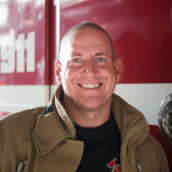



Resources
Websites:
- Crackyl Website
- Fire to Light Foundation
- Fire to Light Website
- Support Fire to Light — Zeffy
- Fire to Light Research Study
Crackyl Articles:
- The Entry Point: Why the Same Approach Won’t Ever Reach Every Firefighter
- Your brain is built to suppress emotion in a crisis, but staying healthy means knowing when, and where, to unpack what you’ve been carrying
- OCD or PTSD? One Firefighter’s Journey for Answers
- Killing Rage, Directed Inward
- The Suffering We Choose
- Kory Pearn: The Man with a Method (2025)
- It Became a Necessity’: Kory Pearn on CRACKYL’s Personal Impact (2024)
- Igniting Wellness: The Story of Kory Pearn and CRACKYL Magazine (2024)
- Firefighter Wellness, Resilience and CRACKYL Magazine (2024)
- Upgrade Your Self Love (2025)
- Heroes are Also Human (2025)
Social Media:
- Facebook:
- Kory Pearn
- Crackyl Magazine
- Fire to Light
- Instagram:
- @pearn.kory
- @crackylmag
- @firetolight_firefighters
- X:
- @CrackylM
- LinkedIn:
- CRACKYL Magazine
- Kory Pearn
- Fire to Light Foundation